Wraps by car

Toyota Harrier wrap

A Toyota Harrier wrap is a large color change project for a mid-size SUV that has been built in three generations. The newest body in this catalog is a 2013–2020 third generation model with a length of 185.8 in (4,720 mm). A full vinyl wrap of that body takes about 62 ft (19 m) of 60-inch (1.52 m) cast film.

3generations19 mof film for a full wrap

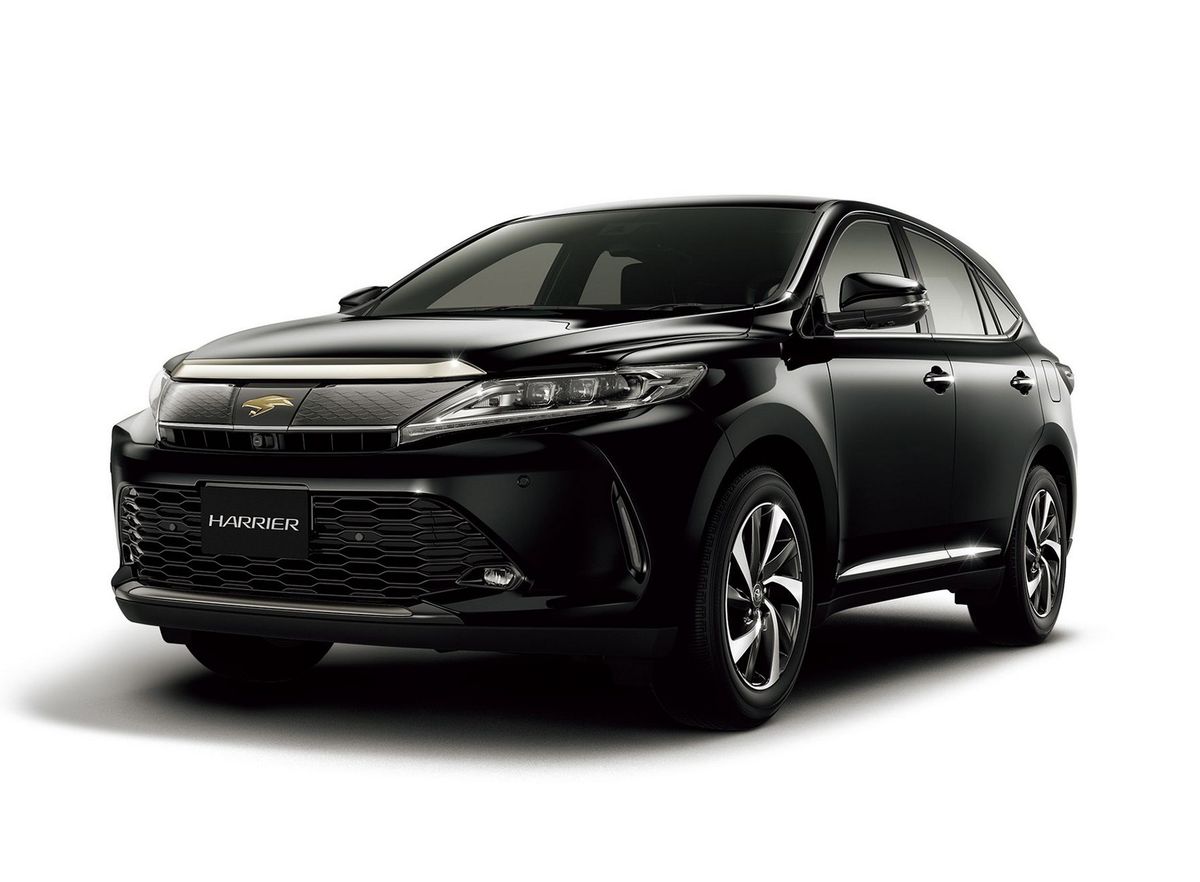
Toyota Harrier, third generation, factory photo
Toyota Harrier, third generation. Factory color shown.

Toyota Harrier wrap colors and ideas

  • Harrier black wrap
  • Harrier white wrap
  • Harrier gray wrap
  • Harrier silver wrap
  • Harrier red wrap
  • Harrier blue wrap
  • Harrier green wrap
  • Harrier yellow wrap
  • Harrier orange wrap
  • Harrier purple wrap
  • Harrier pink wrap
  • Harrier teal wrap
  • Harrier brown wrap
  • Harrier gold wrap
  • Harrier chrome wrap
  • Harrier color shift wrap
  • Harrier carbon fiber wrap
  • Harrier camo and patterned wrap

How much vinyl to wrap a Toyota Harrier

Estimates from the body dimensions in the catalog, for a 1.52 m (60 in) roll.

YearsBodyLengthFilm to order
2013–2020SUV (5 doors)185.8 in (4,720 mm)about 62 ft (19 m) of 60-inch (1.52 m) cast film; chrome or patterned film: about 70 ft (21.5 m)
2003–2013SUV (5 doors)186.2 in (4,730 mm)about 62 ft (19 m) of 60-inch (1.52 m) cast film; chrome or patterned film: about 70 ft (21.5 m)
1997–2003SUV (5 doors)180.1 in (4,575 mm)about 61 ft (18.5 m) of 60-inch (1.52 m) cast film; chrome or patterned film: about 69 ft (21 m)

Harrier wrap cost factors

Harrier wrap cost depends on the size of the body, the film you choose and the work on the cut-outs. A full wrap of the third generation takes about 62 ft (19 m) of 60-inch (1.52 m) cast film, and a chrome or patterned film needs about 70 ft (21.5 m). The tailgate with its rear glass edge and the door handles add labor time for clean cuts. A partial wrap of just the roof or the hood uses less film and is a smaller job.
  • Film for a full wrap: about 62 ft (19 m) of 60-inch (1.52 m) cast film; chrome or patterned film: about 70 ft (21.5 m).
  • Body: SUV (5 doors).
  • A tailgate with the rear glass in it: the film ends at the edge of the glass.
  • Restyled in 2017: bumpers and lights differ between the versions, and so do the film cuts.

Harrier wraps by generation

Swipe sideways. Tap a card for the full description.

Toyota Harrier, third generation, factory photo
Factory color shown

2013–2020 Harrier SUV (third generation)

2013–2020SUV (5 doors)185.8 in (4,720 mm)

The third generation Toyota Harrier was built from 2013 to 2020 and received a restyling in 2017. The 2017 changes to the bumpers and lights mean that film cut for one version does not fit the other, so a wrap kit must match the production year. The body length stayed at 185.8 in (4,720 mm) but the front and rear shapes changed enough to change the cuts. For a full wrap of this body, about 62 ft (19 m) of 60-inch (1.52 m) cast film is the starting point.

A tailgate with the rear glass in it: the film ends at the edge of the glass.

Film: about 62 ft (19 m) of 60-inch (1.52 m) cast film; chrome or patterned film: about 70 ft (21.5 m).

Toyota Harrier, second generation, factory photo
Factory color shown

2003–2013 Harrier SUV (second generation)

2003–2013SUV (5 doors)186.2 in (4,730 mm)

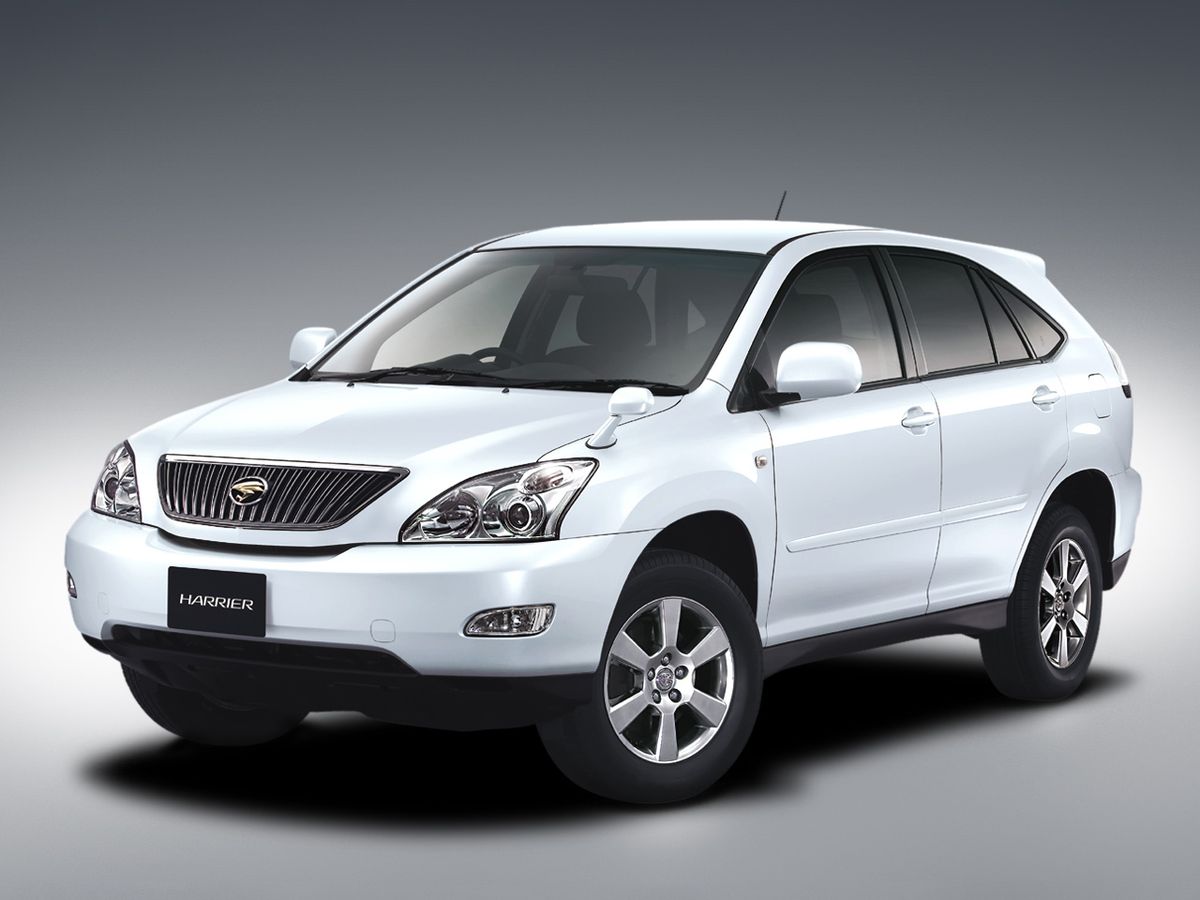
The second generation Toyota Harrier was built from 2003 to 2013 and is the longest of the three at 186.2 in (4,730 mm). On a car of these years panels may be original or repainted, so a test spot of the film on the paint comes before a full wrap. The body is a five-door SUV with a tailgate that has the rear glass set into it, and the film ends at the edge of the glass. A full wrap takes about 62 ft (19 m) of 60-inch (1.52 m) cast film.

A tailgate with the rear glass in it: the film ends at the edge of the glass.

Film: about 62 ft (19 m) of 60-inch (1.52 m) cast film; chrome or patterned film: about 70 ft (21.5 m).

Toyota Harrier, first generation, factory photo
Factory color shown

1997–2003 Harrier SUV (first generation)

1997–2003SUV (5 doors)180.1 in (4,575 mm)

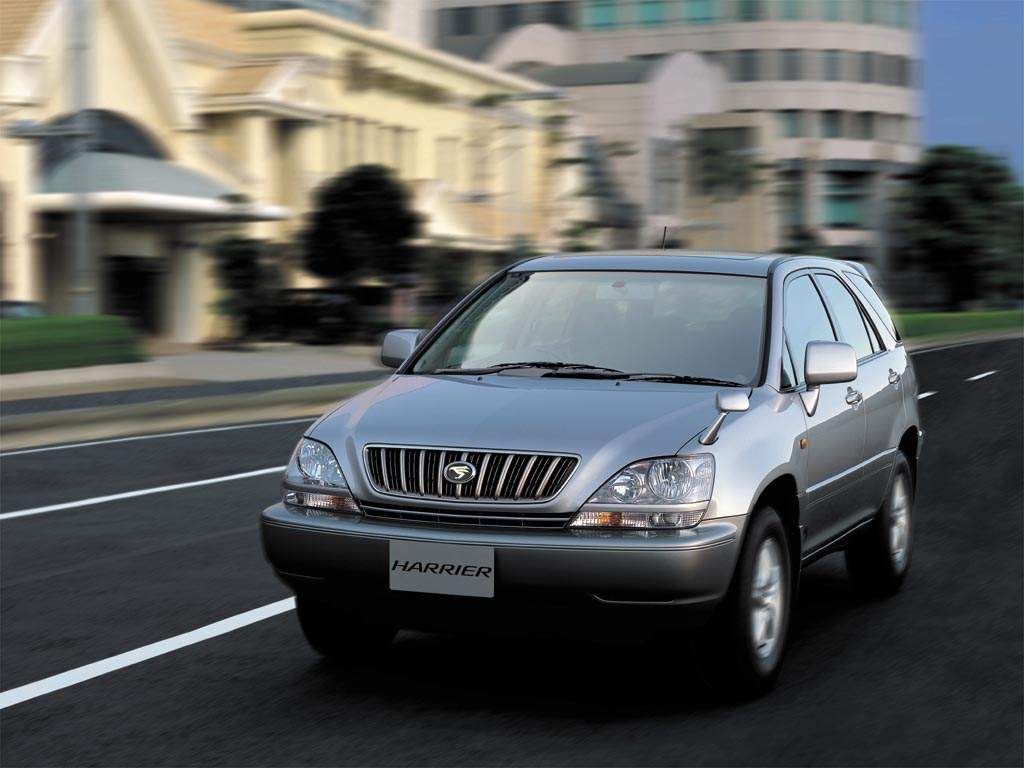
The first generation Toyota Harrier was built from 1997 to 2003 and is the shortest at 180.1 in (4,575 mm). The smaller body means a full wrap takes about 61 ft (18.5 m) of 60-inch (1.52 m) cast film, slightly less than the later cars. It is a five-door SUV with the same tailgate design where the rear glass sits in the panel. The wrap has fewer panels than a larger SUV but the tailgate cut-out still needs the same care.

A tailgate with the rear glass in it: the film ends at the edge of the glass.

Film: about 61 ft (18.5 m) of 60-inch (1.52 m) cast film; chrome or patterned film: about 69 ft (21 m).

Roof, hood, chrome delete and PPF on a Harrier

A partial wrap on a Toyota Harrier can cover the roof, the hood or the mirror caps as separate jobs. A Harrier chrome delete covers the window trim and badges with black film to change the brightwork. Paint protection film (PPF) can also be applied as a clear film on the front end of the Harrier. These smaller jobs use less film than a full wrap and let you change one part of the car.

  • Partial wrap: roof, hood, mirror caps.
  • Chrome delete: window trim and badges.
  • Paint protection film: clear film for the front end, which can also go over a wrap.

Wrapping a Toyota Harrier: body, cut-outs and film

A Toyota Harrier vinyl wrap covers a five-door SUV body with large flat sides and a long roof. The third generation is 185.8 in (4,720 mm) long and the first generation is 180.1 in (4,575 mm), so every generation needs a full roll of film. The tall tailgate adds surface area and the wrap must end neatly at the edge of the rear glass. Because the body has only one style, every trim of a generation takes the same main film kit.

Harrier wrap ideas often start with the tailgate, where the rear glass is set into the panel and the film ends at the edge of the glass. That edge is a natural cut line but it asks for a steady hand and a sharp blade. The door handles, badges and window trim are other cut-outs that a wrap installer works around. For a clean result the mirrors and the roof rails can be wrapped off the car.

How much vinyl to wrap a Harrier depends on the generation because the bodies are close in size but not equal. The first generation from 1997–2003 is the shortest at 180.1 in (4,575 mm) and takes about 61 ft (18.5 m) of cast film. The second generation from 2003–2013 is the longest at 186.2 in (4,730 mm) and takes about 62 ft (19 m). The third generation from 2013–2020 takes the same about 62 ft (19 m) but the 2017 restyling changed the bumpers and lights, so precut film from before 2017 will not fit the later cars.

Questions about wrapping a Toyota Harrier

How much vinyl does it take to wrap a Toyota Harrier?

A full wrap of a Toyota Harrier takes about 62 ft (19 m) of 60-inch (1.52 m) cast film for the newest body. That figure is for the third generation from 2013–2020 with a length of 185.8 in (4,720 mm). The first generation is slightly smaller and takes about 61 ft (18.5 m).

Which years of the Harrier take the same film cuts?

The Harrier generations that take the same film cuts are within a generation before and after its restyling. The third generation from 2013 to 2016 has one set of cuts, and the restyled 2017 to 2020 models have another because the bumpers and lights changed. The first generation was restyled in 2000, so 1997 to 1999 and 2000 to 2003 each have their own cuts. The second generation from 2003 to 2013 did not change shape and uses one set of cuts for all years.

Can I wrap only the hood or the roof of a Harrier?

Yes, you can wrap only the hood or the roof of a Harrier as a partial wrap job. The hood and the roof are separate panels that can be covered with film on their own. Mirror caps are also a small job that changes the look without a full wrap. These partial wraps use less film than the about 62 ft (19 m) needed for the whole third generation body.

Is a Harrier hard to wrap?

A Harrier is a mid-size SUV that takes a full wrap of about 62 ft (19 m) of film, so it is a large and time-consuming job. The tailgate with the rear glass set into it adds work because the film must end at the edge of the glass. The door handles and badges are cut-outs that need careful trimming. The 2017 restyling of the third generation also means the film cuts must match the exact year.