Wraps by car

Dodge Challenger wrap

The Dodge Challenger wrap page covers all three generations of the car, from the first 1969–1974 model through to the current third generation that has been in production since 2008. A full wrap of the newest body takes about 54 ft (16.5 m) of 60-inch (1.52 m) cast film. If you choose chrome or patterned film, plan for about 67 ft (20.5 m).

3generations16.5 mof film for a full wrap

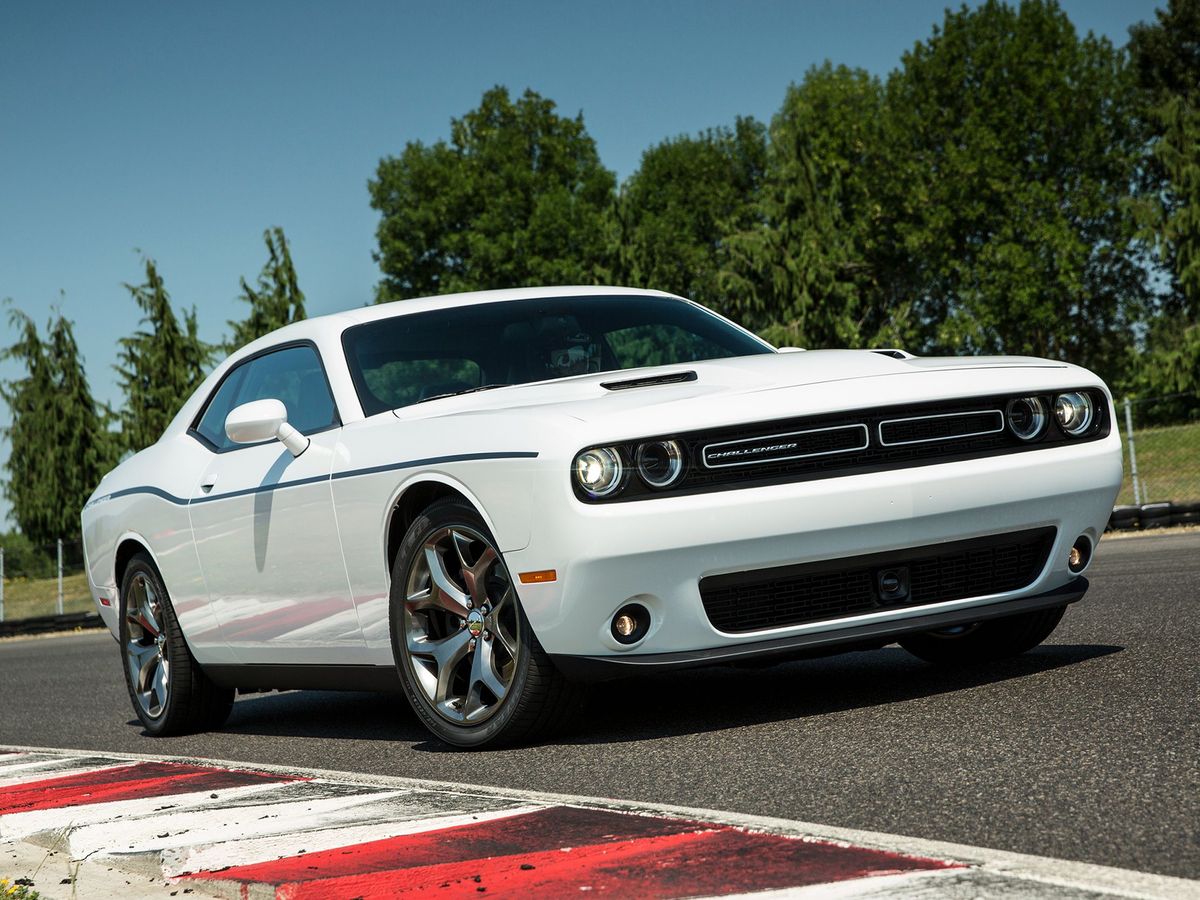
Dodge Challenger, third generation, factory photo
Dodge Challenger, third generation. Factory color shown.

Dodge Challenger wrap colors and ideas

  • Challenger black wrap
  • Challenger white wrap
  • Challenger gray wrap
  • Challenger silver wrap
  • Challenger red wrap
  • Challenger blue wrap
  • Challenger green wrap
  • Challenger yellow wrap
  • Challenger orange wrap
  • Challenger purple wrap
  • Challenger pink wrap
  • Challenger teal wrap
  • Challenger brown wrap
  • Challenger gold wrap
  • Challenger chrome wrap
  • Challenger color shift wrap
  • Challenger carbon fiber wrap
  • Challenger camo and patterned wrap

How much vinyl to wrap a Dodge Challenger

Estimates from the body dimensions in the catalog, for a 1.52 m (60 in) roll.

YearsBodyLengthFilm to order
2008–nowcoupe (2 doors)197.6 in (5,020 mm) to 197.7 in (5,022 mm)about 54 ft (16.5 m) of 60-inch (1.52 m) cast film; chrome or patterned film: about 67 ft (20.5 m)
1977–1983coupe (2 doors)178.1 in (4,525 mm)about 49 ft (15 m) of 60-inch (1.52 m) cast film; chrome or patterned film: about 61 ft (18.5 m)
1969–1974convertible, coupe (2 doors)191.3 in (4,859 mm)about 52 ft (16 m) of 60-inch (1.52 m) cast film; chrome or patterned film: about 61 ft (18.5 m)

Challenger wrap cost factors

Challenger wrap cost depends on the size of the body and the amount of film. The third generation uses about 54 ft (16.5 m) of standard cast film, or 67 ft (20.5 m) with chrome or patterned film. The second generation is shorter at 178.1 in (4,525 mm) and uses about 49 ft (15 m). The first generation, at 191.3 in (4,859 mm), sits in between with about 52 ft (16 m).
  • Film for a full wrap: about 54 ft (16.5 m) of 60-inch (1.52 m) cast film; chrome or patterned film: about 67 ft (20.5 m).
  • Body: coupe (2 doors).
  • Two long side doors: each door is one large piece of film.
  • Every trim has cameras in the body: the film is cut around each lens.
  • Restyled in 2010, 2014: bumpers and lights differ between the versions, and so do the film cuts.

Challenger wraps by generation

Swipe sideways. Tap a card for the full description.

Dodge Challenger, third generation, factory photo
Factory color shown

2008–now Challenger coupe (third generation)

2008–nowcoupe (2 doors)197.6 in (5,020 mm) to 197.7 in (5,022 mm)

The third generation Dodge Challenger has been produced since 2008 and was restyled in 2010 and 2014. The restyling changed the bumpers and lights, so film cut for one version does not fit the other. When you order a kit or have templates made, you need to know which front and rear bumper style your car has. A wrap shop checks the production year before cutting the film.

Two long side doors: each door is one large piece of film.

Every trim has cameras in the body: the film is cut around each lens.

Film: about 54 ft (16.5 m) of 60-inch (1.52 m) cast film; chrome or patterned film: about 67 ft (20.5 m).

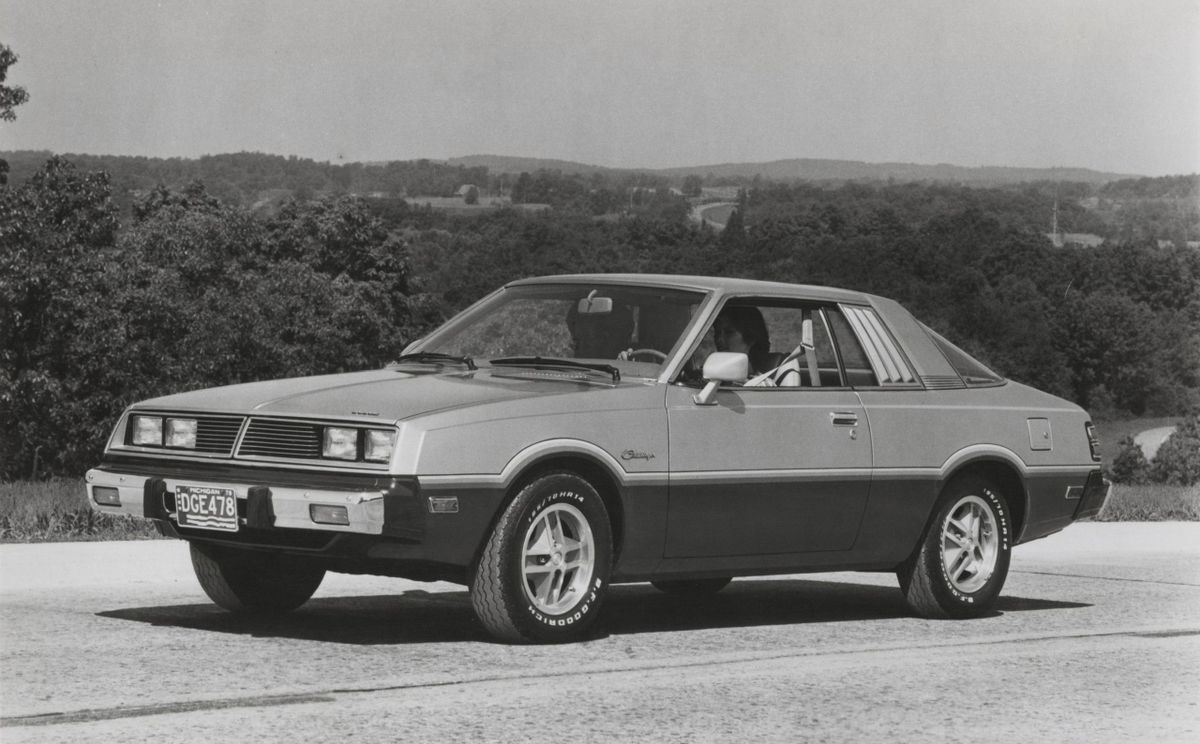
Dodge Challenger, second generation, factory photo
Factory color shown

1977–1983 Challenger coupe (second generation)

1977–1983coupe (2 doors)178.1 in (4,525 mm)

The second generation Dodge Challenger was built from 1977 to 1983 and the condition of the paint matters for a wrap. On a car of these years panels may be original or repainted, and a test spot comes before a full wrap. The 178.1 in (4,525 mm) body uses about 49 ft (15 m) of standard cast film. The two long doors each take one large piece of film.

Two long side doors: each door is one large piece of film.

Film: about 49 ft (15 m) of 60-inch (1.52 m) cast film; chrome or patterned film: about 61 ft (18.5 m).

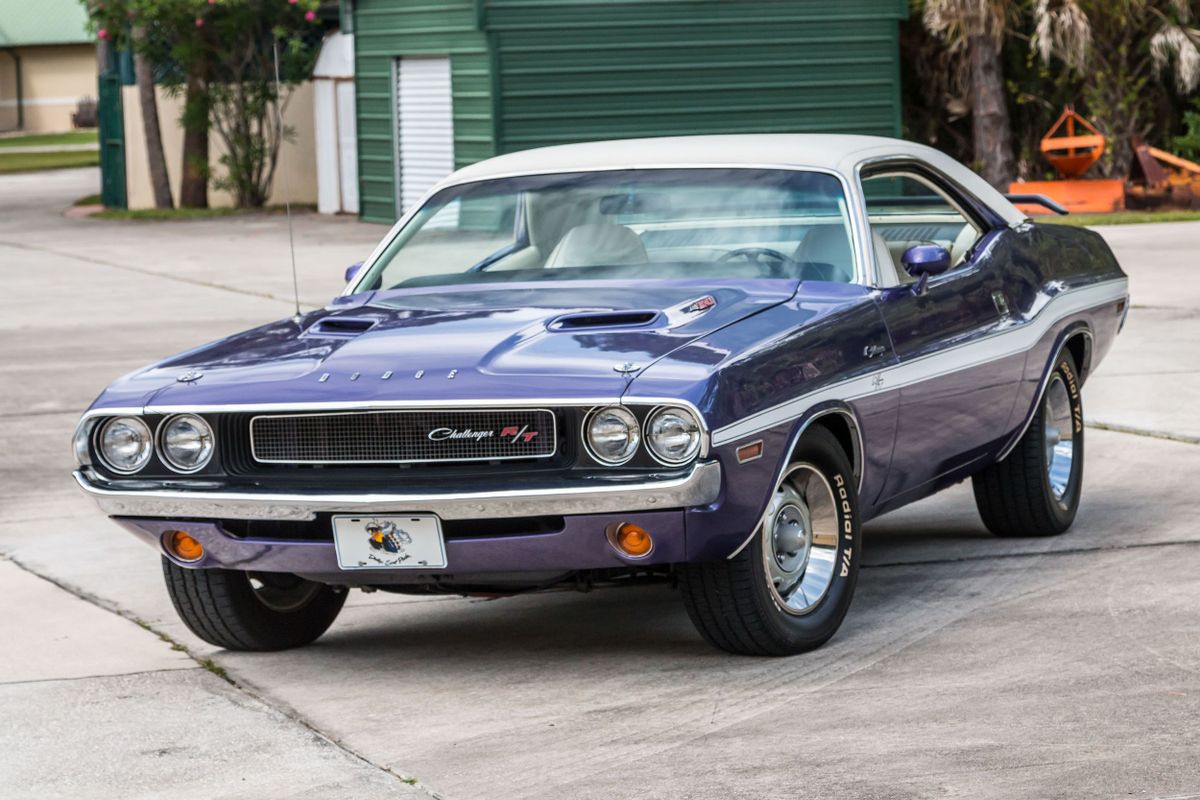
Dodge Challenger, first generation, factory photo
Factory color shown

1969–1974 Challenger convertible, coupe (first generation)

1969–1974convertible, coupe (2 doors)191.3 in (4,859 mm)

The first generation Dodge Challenger, sold from 1969 to 1974, was the only generation with a convertible body. On a convertible, the fabric top is not wrapped and the film ends where it begins. A folding hard top is wrapped as panels of its own, which is a separate part of the job. The coupe body, at 191.3 in (4,859 mm), takes about 52 ft (16 m) of cast film.

Convertible body: a fabric top is not wrapped and the film ends where it begins; a folding hard top is wrapped as panels of its own.

Two long side doors: each door is one large piece of film.

Film: about 52 ft (16 m) of 60-inch (1.52 m) cast film; chrome or patterned film: about 61 ft (18.5 m).

Roof, hood, chrome delete and PPF on a Challenger

A partial wrap on a Dodge Challenger can cover the roof, hood, or mirror caps. Challenger chrome delete work covers the window trim and badges with black film, which is called a chrome delete. Paint protection film (PPF) is a clear film applied to the front end to guard against stone chips. These smaller jobs use less film than a full wrap and can be done in stages.

  • Partial wrap: roof, hood, mirror caps.
  • Chrome delete: window trim and badges.
  • Paint protection film: clear film on the front end, also over a wrap.

Wrapping a Dodge Challenger: body, cut-outs and film

Dodge Challenger vinyl wrap work is shaped by the coupe body and its two long doors. The newest generation measures 197.6 in (5,020 mm) to 197.7 in (5,022 mm) in length, which makes it one of the larger mid-size coupes on the road. Each door is covered with one large piece of film, so the vinyl wrap is split into fewer panels. The first generation offered a convertible, which changes how the film is planned and cut.

Challenger wrap ideas must account for factory features that need careful cutting. On the current third generation, every trim has cameras in the body and the film is cut around each lens. The first generation convertible has a fabric top that is not wrapped and the film ends where it begins. A folding hard top on that generation is wrapped as panels of its own.

How much vinyl to wrap a Challenger depends on the generation and the film type. The third generation needs about 54 ft (16.5 m) of standard cast film, while the second generation needs about 49 ft (15 m). The first generation falls between them at about 52 ft (16 m). Chrome or patterned film adds roughly 20 percent to the amount for each generation.

Questions about wrapping a Dodge Challenger

How much vinyl does it take to wrap a Dodge Challenger?

About 54 ft (16.5 m) of 60-inch (1.52 m) cast film is the figure for the newest generation Dodge Challenger. If you use chrome or patterned film, the amount goes up to about 67 ft (20.5 m). The second generation takes a little less at about 49 ft (15 m), and the first generation about 52 ft (16 m).

Which years of the Challenger take the same film cuts?

The same film cuts fit Challenger years within a generation, but restyling years change the bumpers and lights. The third generation was restyled in 2010 and 2014, so a 2008–2009 car has different front and rear cuts than a 2010–2013 car, and a 2014 and newer car has its own cuts. The first generation, 1969–1974, shares cuts within that range. The second generation, 1977–1983, is separate.

Can I wrap only the hood or the roof of a Challenger?

Yes, you can wrap only the hood or the roof of a Challenger as a partial wrap. A partial wrap often covers the roof, hood, or mirror caps. You can also do a chrome delete on the window trim and badges, or paint protection film on the front end.

Is a Challenger hard to wrap?

The Dodge Challenger is not the most difficult car to wrap, but its size and a few details add work. The newest generation is 197.6 in (5,020 mm) to 197.7 in (5,022 mm) long, so each panel requires careful handling of large film sheets. The two long doors each need one large piece of film, which takes practice to install without wrinkles. On current models every trim has cameras in the body, and the film must be cut around each lens.