Wraps by car

Dodge Charger wrap

The Dodge Charger wrap page covers seven generations of the car. A full vinyl wrap of the newest seventh-generation body takes about 64 ft (19.5 m) for the coupe to 69 ft (21 m) for the liftback using 60-inch (1.52 m) cast film. Chrome or patterned film increases the estimate to up to about 79 ft (24 m).

7generations19.5 mof film for a full wrap

Dodge Charger, seventh generation, factory photo
Dodge Charger, seventh generation. Factory color shown.

Dodge Charger wrap colors and ideas

  • Charger black wrap
  • Charger white wrap
  • Charger gray wrap
  • Charger silver wrap
  • Charger red wrap
  • Charger blue wrap
  • Charger green wrap
  • Charger yellow wrap
  • Charger orange wrap
  • Charger purple wrap
  • Charger pink wrap
  • Charger teal wrap
  • Charger brown wrap
  • Charger gold wrap
  • Charger chrome wrap
  • Charger color shift wrap
  • Charger carbon fiber wrap
  • Charger camo and patterned wrap

How much vinyl to wrap a Dodge Charger

Estimates from the body dimensions in the catalog, for a 1.52 m (60 in) roll.

YearsBodyLengthFilm to order
2024–nowcoupe, liftback (2 or 5 doors)206.6 in (5,248 mm)about 64 ft (19.5 m) for the coupe to 69 ft (21 m) for the liftback, 60-inch (1.52 m) cast film; chrome or patterned film: up to about 79 ft (24 m)
2010–nowsedan (4 doors)198.4 in (5,040 mm) to 199.9 in (5,077 mm)about 62 ft (19 m) of 60-inch (1.52 m) cast film; chrome or patterned film: about 72 ft (22 m)
2005–2010sedan (4 doors)200.1 in (5,082 mm)about 62 ft (19 m) of 60-inch (1.52 m) cast film; chrome or patterned film: about 72 ft (22 m)
1974–1978coupe (2 doors)216.0 in (5,486 mm)about 57 ft (17.5 m) of 60-inch (1.52 m) cast film; chrome or patterned film: about 66 ft (20 m)
1970–1974coupe (2 doors)205.0 in (5,207 mm)about 56 ft (17 m) of 60-inch (1.52 m) cast film; chrome or patterned film: about 70 ft (21.5 m)
1967–1970coupe (2 doors)208.0 in (5,283 mm)about 56 ft (17 m) of 60-inch (1.52 m) cast film; chrome or patterned film: about 70 ft (21.5 m)
1966–1967coupe (2 doors)203.5 in (5,170 mm)about 54 ft (16.5 m) of 60-inch (1.52 m) cast film; chrome or patterned film: about 64 ft (19.5 m)

Charger wrap cost factors

Charger wrap cost depends on the car's generation, body style, film type, and paint condition. A larger body like the seventh-generation liftback uses more film than the third-generation coupe due to its extra panels. Paint age on fifth-generation cars may require correction before wrapping, and a test spot is advisable to check film adhesion. Choosing cast vinyl with a chrome or patterned finish increases the material needed compared to standard colors.
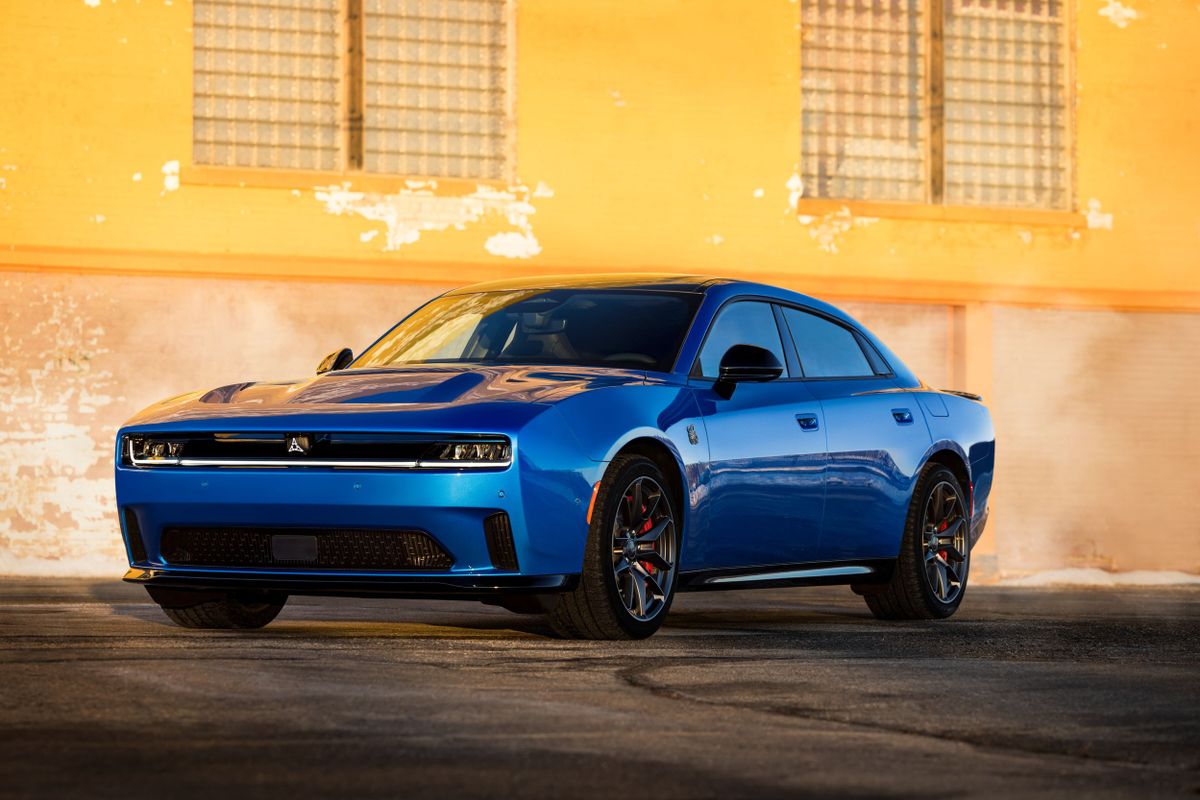
  • Film for a full wrap: about 64 ft (19.5 m) for the coupe to 69 ft (21 m) for the liftback, 60-inch (1.52 m) cast film; chrome or patterned film: up to about 79 ft (24 m).
  • Body: coupe, liftback (2 or 5 doors).
  • A tailgate with the rear glass in it: the film ends at the edge of the glass.
  • Plug-in and electric versions: the charge port door is wrapped as a small piece of its own.

Charger wraps by generation

Swipe sideways. Tap a card for the full description.

Dodge Charger, seventh generation, factory photo
Factory color shown

2024–now Charger coupe, liftback (seventh generation)

2024–nowcoupe, liftback (2 or 5 doors)206.6 in (5,248 mm)

The seventh-generation Dodge Charger offers two body styles that affect the wrap plan. The coupe and liftback have different panel layouts, so the installer counts the panels and film accordingly. The coupe needs about 64 ft (19.5 m) of cast film, while the liftback needs about 69 ft (21 m). For chrome or patterned film, the liftback may take up to about 79 ft (24 m).

A tailgate with the rear glass in it: the film ends at the edge of the glass.

Plug-in and electric versions: the charge port door is wrapped as a small piece of its own.

Film: about 64 ft (19.5 m) for the coupe to 69 ft (21 m) for the liftback, 60-inch (1.52 m) cast film; chrome or patterned film: up to about 79 ft (24 m).

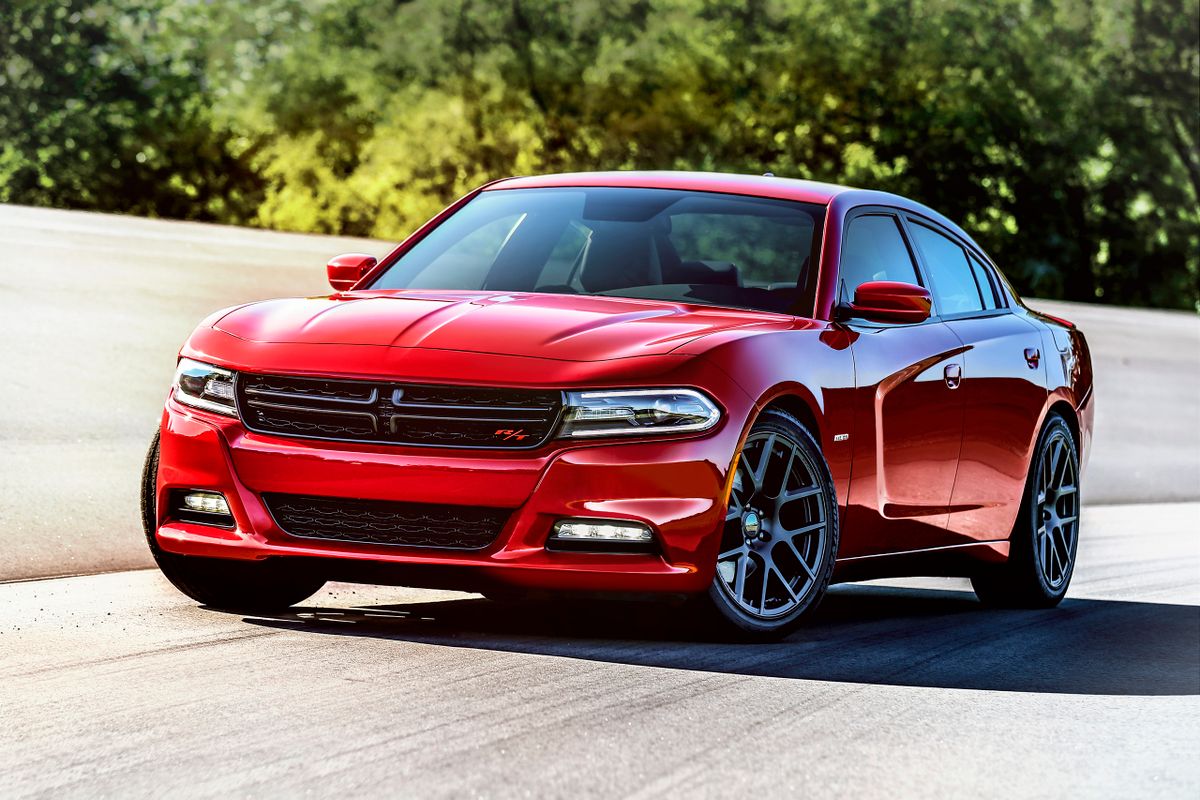
Dodge Charger, sixth generation, factory photo
Factory color shown

2010–now Charger sedan (sixth generation)

2010–nowsedan (4 doors)198.4 in (5,040 mm) to 199.9 in (5,077 mm)

The sixth-generation Dodge Charger covers cars produced from 2010 to the present, with a restyle in 2014. Its production years overlap with the seventh generation from 2024 onward, so owners of newer cars must confirm which body they have. The sedan is 198.4 in (5,040 mm) to 199.9 in (5,077 mm) long and needs about 62 ft (19 m) of cast film. A chrome or patterned wrap raises that estimate to about 72 ft (22 m).

Film: about 62 ft (19 m) of 60-inch (1.52 m) cast film; chrome or patterned film: about 72 ft (22 m).

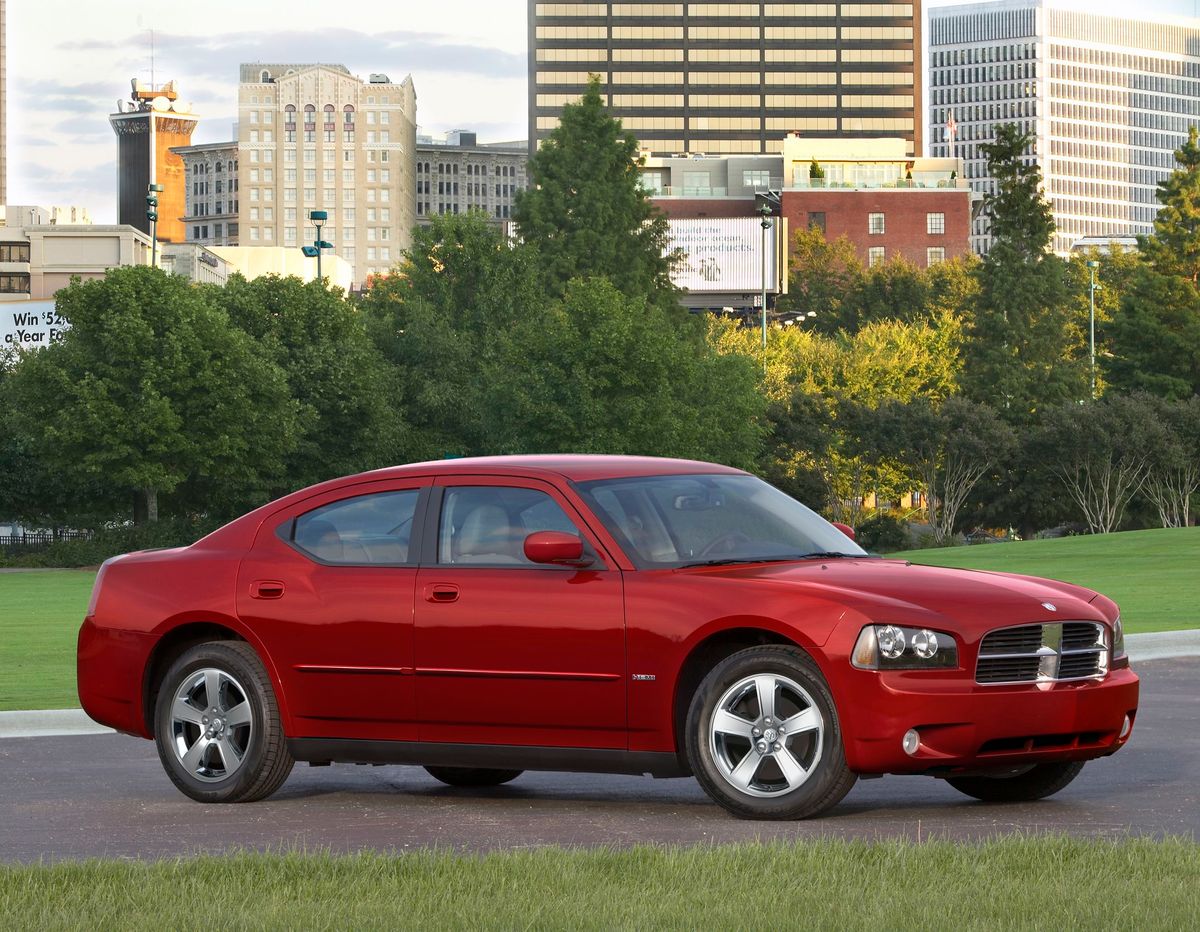
Dodge Charger, fifth generation, factory photo
Factory color shown

2005–2010 Charger sedan (fifth generation)

2005–2010sedan (4 doors)200.1 in (5,082 mm)

The fifth-generation Dodge Charger, built from 2005 to 2010, is a four-door sedan measuring 200.1 in (5,082 mm) long. On a car of these years, panels may be original or repainted, and paint condition varies. A test spot of vinyl on each panel checks adhesion before a full wrap. The sedan takes about 62 ft (19 m) of cast film, or about 72 ft (22 m) for chrome or patterned film.

Film: about 62 ft (19 m) of 60-inch (1.52 m) cast film; chrome or patterned film: about 72 ft (22 m).

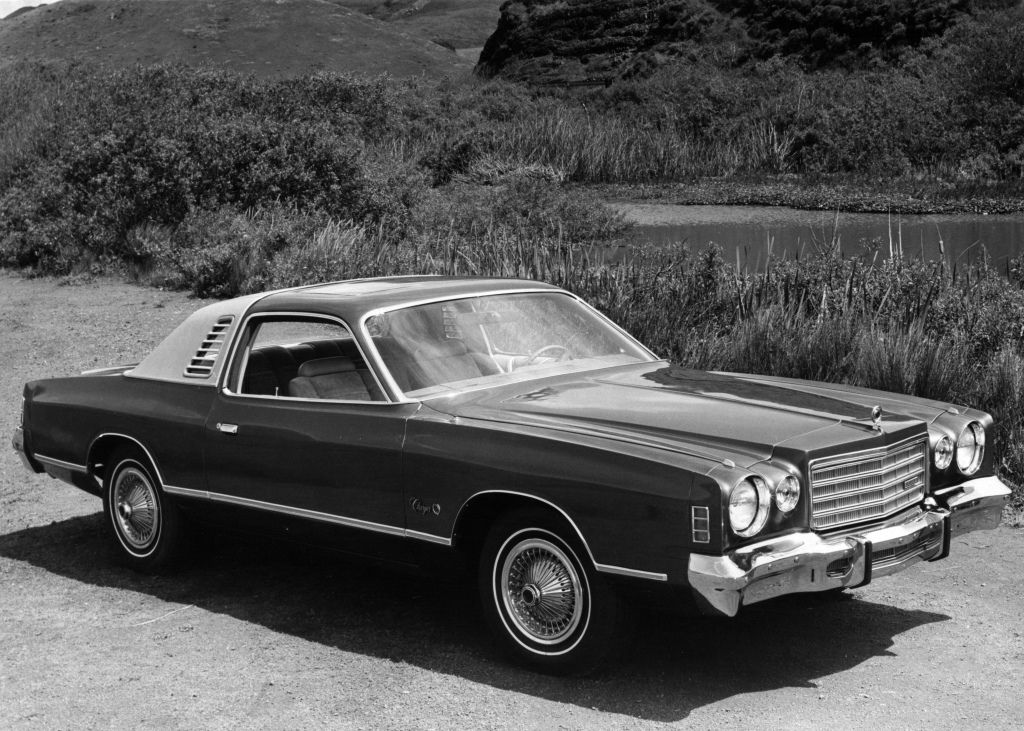
Dodge Charger, fourth generation, factory photo
Factory color shown

1974–1978 Charger coupe (fourth generation)

1974–1978coupe (2 doors)216.0 in (5,486 mm)

The fourth-generation Dodge Charger, produced from 1974 to 1978, is a two-door coupe that is 216.0 in (5,486 mm) long. Its size and body style mean fewer panels than a sedan, but the two long side doors each require one large piece of film. A full wrap of cast film uses about 57 ft (17.5 m), while chrome or patterned film needs about 66 ft (20 m). The coupe's large flat surfaces can make installation smoother.

Two long side doors: each door is one large piece of film.

Film: about 57 ft (17.5 m) of 60-inch (1.52 m) cast film; chrome or patterned film: about 66 ft (20 m).

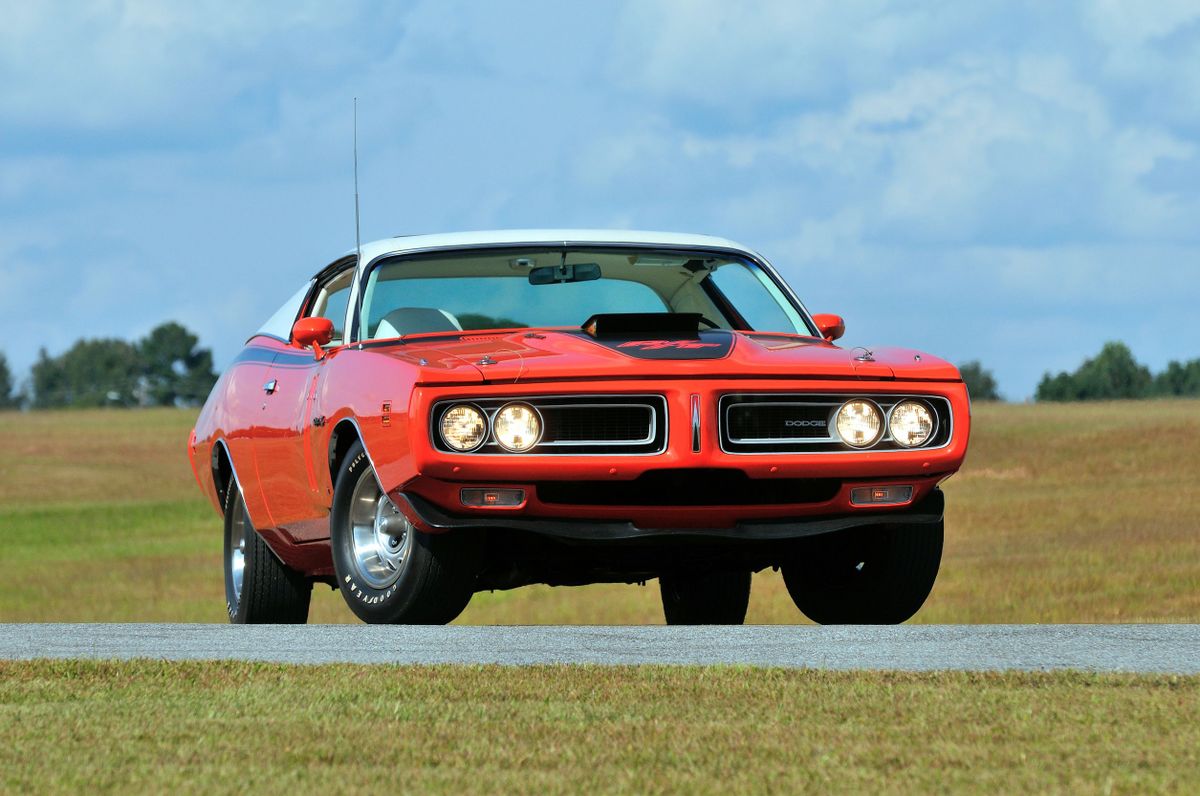
Dodge Charger, third generation, factory photo
Factory color shown

1970–1974 Charger coupe (third generation)

1970–1974coupe (2 doors)205.0 in (5,207 mm)

The third-generation Dodge Charger, built from 1970 to 1974, is a two-door coupe measuring 205.0 in (5,207 mm) long. The coupe body has two long side doors, each wrapped as one large piece of film, so fewer seams are needed. A cast film wrap takes about 56 ft (17 m) of material, and chrome or patterned film takes about 70 ft (21.5 m). The car's size is moderate for a classic coupe.

Two long side doors: each door is one large piece of film.

Film: about 56 ft (17 m) of 60-inch (1.52 m) cast film; chrome or patterned film: about 70 ft (21.5 m).

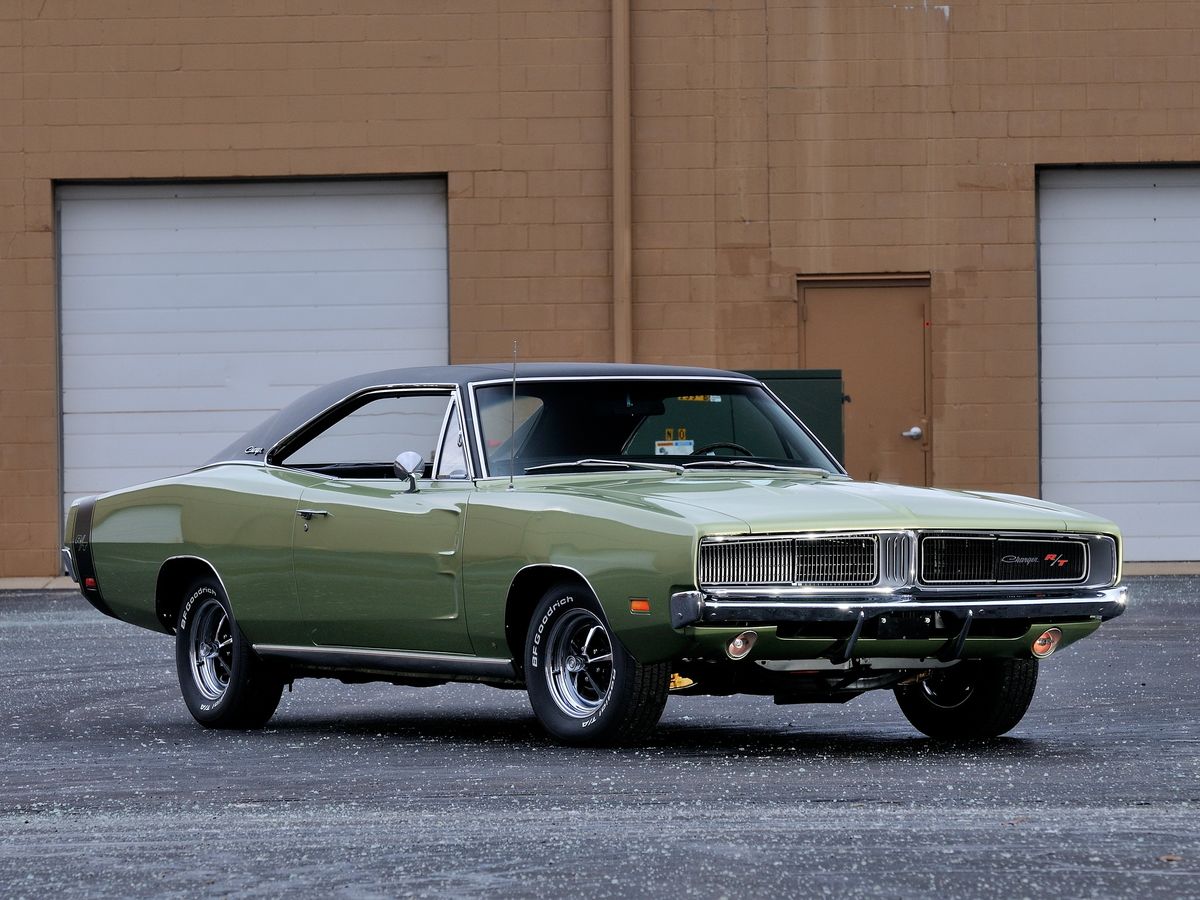
Dodge Charger, second generation, factory photo
Factory color shown

1967–1970 Charger coupe (second generation)

1967–1970coupe (2 doors)208.0 in (5,283 mm)

Two long side doors: each door is one large piece of film.

Film: about 56 ft (17 m) of 60-inch (1.52 m) cast film; chrome or patterned film: about 70 ft (21.5 m).

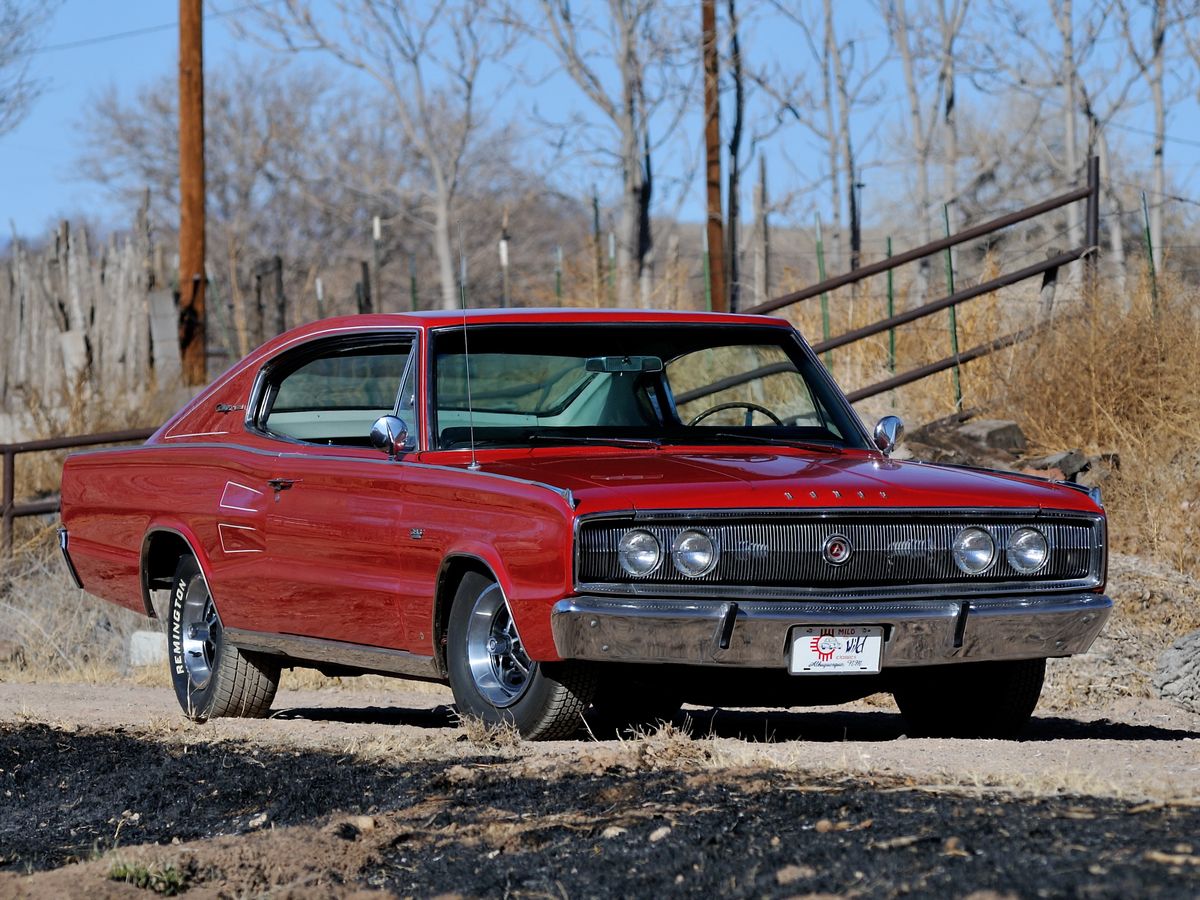
Dodge Charger, first generation, factory photo
Factory color shown

1966–1967 Charger coupe (first generation)

1966–1967coupe (2 doors)203.5 in (5,170 mm)

Two long side doors: each door is one large piece of film.

Film: about 54 ft (16.5 m) of 60-inch (1.52 m) cast film; chrome or patterned film: about 64 ft (19.5 m).

Roof, hood, chrome delete and PPF on a Charger

Partial wrap options for the Dodge Charger include the roof, hood, and mirror caps. Chrome delete covers the window trim and badges with black film to change the brightwork. Paint protection film (PPF) is a clear film applied to the front end to guard against stone chips. These smaller jobs use less film than a full wrap and can be done on any generation.

  • Partial wrap: roof, hood, mirror caps.
  • Chrome delete: window trim and badges.
  • Paint protection film: clear film on the front end, also over a wrap.

Wrapping a Dodge Charger: body, cut-outs and film

A Dodge Charger vinyl wrap can be planned around the body styles and sizes of each generation. The seventh generation comes as a coupe or a liftback with two or five doors, measuring 206.6 in (5,248 mm) long. The sixth and fifth generations are four-door sedans between 198.4 in (5,040 mm) and 200.1 in (5,082 mm) long. The fourth and third generations are two-door coupes with lengths of 216.0 in (5,486 mm) and 205.0 in (5,207 mm).

Charger wrap ideas must account for parts that need cut-outs or removal. On the seventh-generation liftback, the tailgate includes the rear glass, so the film ends at the edge of the glass. Plug-in and electric versions have a charge port door that is wrapped as a small piece of its own. The fourth and third generations have two long side doors, each wrapped as one large piece of film.

To work out how much vinyl to wrap a Charger, compare the film estimates across generations. The seventh-generation coupe needs about 64 ft (19.5 m) of cast film, while the liftback needs about 69 ft (21 m). The sixth and fifth generations both need about 62 ft (19 m), and the older coupes need about 56 to 57 ft (17 to 17.5 m). Patterned or chrome film adds roughly 15 percent to those amounts.

Questions about wrapping a Dodge Charger

How much vinyl does it take to wrap a Dodge Charger?

It takes about 64 ft (19.5 m) to 69 ft (21 m) of vinyl to wrap a Dodge Charger, depending on the newest body style. The seventh-generation coupe needs about 64 ft (19.5 m) of 60-inch (1.52 m) cast film, and the liftback needs about 69 ft (21 m). Chrome or patterned film raises the requirement to up to about 79 ft (24 m).

Which Charger body takes more film?

The Dodge Charger liftback takes more film than the coupe. In the seventh generation, the liftback needs about 69 ft (21 m) of cast film compared to 64 ft (19.5 m) for the coupe. The liftback's extra panels and larger rear section account for the difference.

Can I wrap only the hood or the roof of a Charger?

Yes, you can wrap only the hood or the roof of a Charger as a partial wrap. The partial wrap job on this car includes the roof, hood, and mirror caps, and you can choose just one or two of those panels. This option reduces film use compared to a full wrap.

Is a Charger hard to wrap?

A Dodge Charger is not excessively hard to wrap, but some parts add work. The seventh-generation liftback has a tailgate with rear glass, so the film must end at the glass edge. Plug-in and electric versions have a charge port door that is wrapped as a separate small piece. The car's large size, up to 216.0 in (5,486 mm) long on the fourth generation, also means more surface area to cover.