Wraps by car

Lincoln Town Car wrap

This page covers the Lincoln Town Car wrap, the vinyl wrap options for all three generations, and the film a full wrap of the newest body takes. The Lincoln Town Car was produced from 1980 through 2011 in three generations. A full wrap of the 1997–2011 body needs about 67 ft (20.5 m) of 60-inch (1.52 m) cast film. Chrome or patterned film raises the amount to about 79 ft (24 m).

3generations20.5 mof film for a full wrap

Lincoln Town Car, third generation, factory photo
Lincoln Town Car, third generation. Factory color shown.

Lincoln Town Car wrap colors and ideas

  • Town Car black wrap
  • Town Car white wrap
  • Town Car gray wrap
  • Town Car silver wrap
  • Town Car red wrap
  • Town Car blue wrap
  • Town Car green wrap
  • Town Car yellow wrap
  • Town Car orange wrap
  • Town Car purple wrap
  • Town Car pink wrap
  • Town Car teal wrap
  • Town Car brown wrap
  • Town Car gold wrap
  • Town Car chrome wrap
  • Town Car color shift wrap
  • Town Car carbon fiber wrap
  • Town Car camo and patterned wrap

How much vinyl to wrap a Lincoln Town Car

Estimates from the body dimensions in the catalog, for a 1.52 m (60 in) roll.

YearsBodyLengthFilm to order
1997–2011sedan (4 doors)215.4 in (5,470 mm) to 216.1 in (5,490 mm)about 67 ft (20.5 m) of 60-inch (1.52 m) cast film; chrome or patterned film: about 79 ft (24 m)
1989–1997sedan (4 doors)218.9 in (5,560 mm)about 61 ft (18.5 m) of 60-inch (1.52 m) cast film; chrome or patterned film: about 77 ft (23.5 m)
1980–1989coupe, sedan (2 or 4 doors)219.2 in (5,568 mm)about 61 ft (18.5 m) of 60-inch (1.52 m) cast film; chrome or patterned film: about 76 ft (23 m)

Town Car wrap cost factors

Town Car wrap cost depends on the size of the car, the film chosen, and the amount of disassembly. All Town Car bodies are over 215 in (5,470 mm) long, so a full wrap uses at least 61 ft (18.5 m) of film. Chrome or patterned film adds about 12 to 18 ft (3.5 to 5.5 m) to the material list. The first generation coupe may cost less because it has fewer doors to work around, but the final price is set by the shop's labor time.
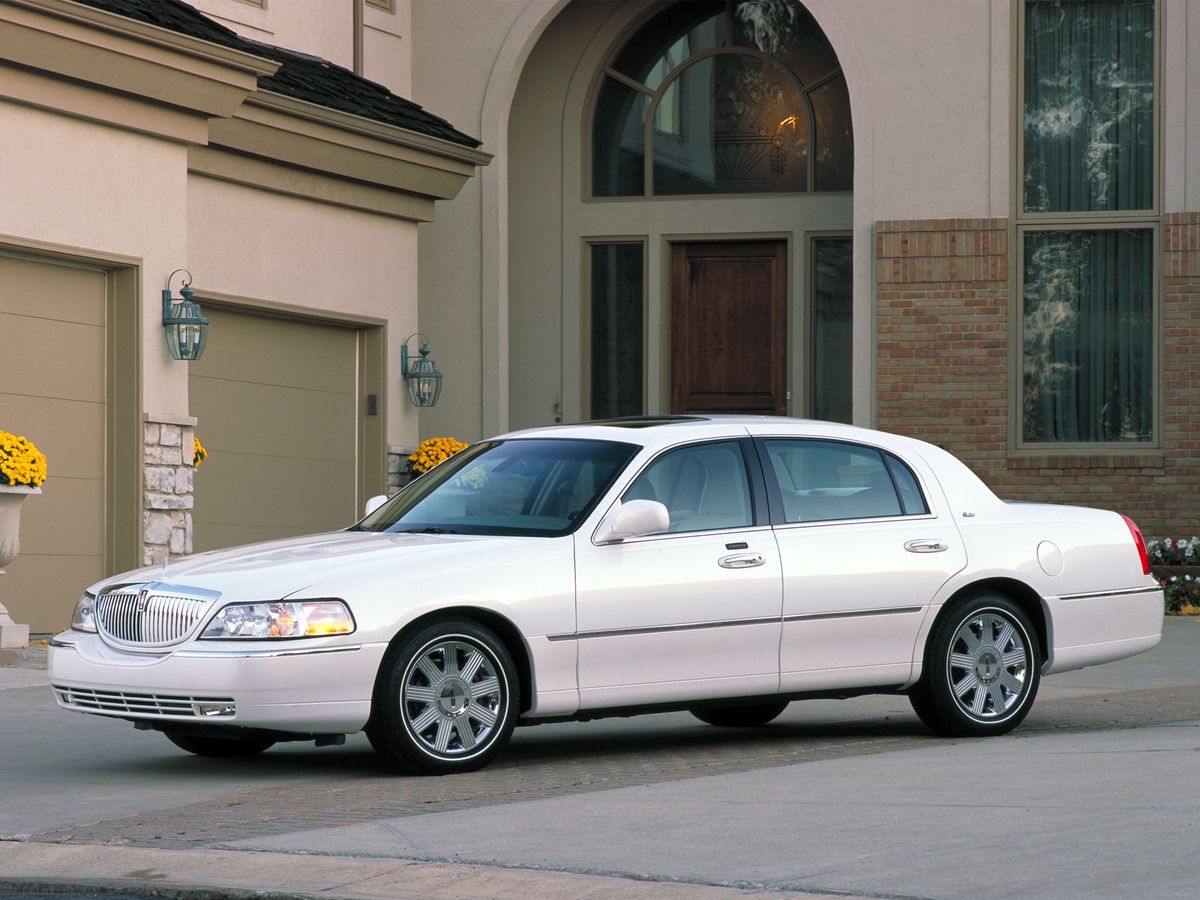
  • Film for a full wrap: about 67 ft (20.5 m) of 60-inch (1.52 m) cast film; chrome or patterned film: about 79 ft (24 m).
  • Body: sedan (4 doors).
  • Restyled in 2003: bumpers and lights differ between the versions, and so do the film cuts.

Town Car wraps by generation

Swipe sideways. Tap a card for the full description.

Lincoln Town Car, third generation, factory photo
Factory color shown

1997–2011 Town Car sedan (third generation)

1997–2011sedan (4 doors)215.4 in (5,470 mm) to 216.1 in (5,490 mm)

The third-generation Lincoln Town Car was produced from 1997 to 2011, and a 2003 restyling means one version's film cuts do not fit the other. The restyling changed the bumpers and lights, so the front and rear panels are different before and after 2003. An installer must check the production year before cutting film for the bumpers. The body's length ranges from 215.4 in (5,470 mm) to 216.1 in (5,490 mm), with no change to the main doors.

Film: about 67 ft (20.5 m) of 60-inch (1.52 m) cast film; chrome or patterned film: about 79 ft (24 m).

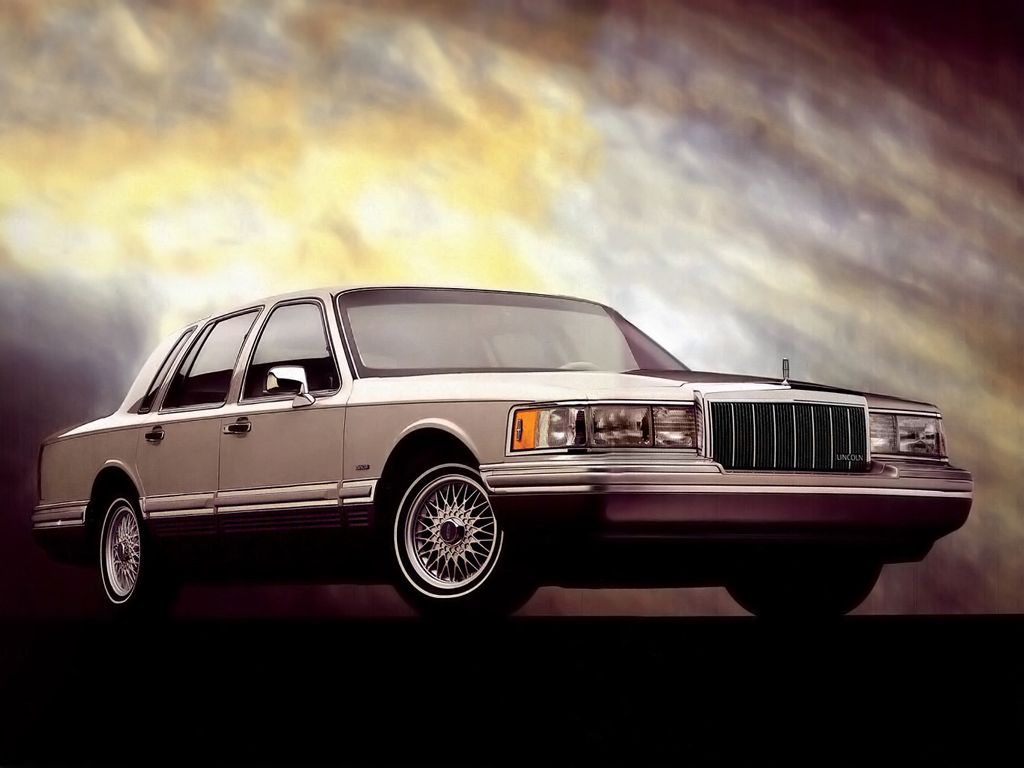
Lincoln Town Car, second generation, factory photo
Factory color shown

1989–1997 Town Car sedan (second generation)

1989–1997sedan (4 doors)218.9 in (5,560 mm)

The second-generation Lincoln Town Car was produced from 1989 to 1997, and a test spot is wise because the paint may be original or repainted. Panels that have been repainted may not hold film as well as factory paint, and a test spot checks adhesion before a full wrap. The body is 218.9 in (5,560 mm) long and needs about 61 ft (18.5 m) of film. Chrome or patterned film raises the amount to about 77 ft (23.5 m).

Film: about 61 ft (18.5 m) of 60-inch (1.52 m) cast film; chrome or patterned film: about 77 ft (23.5 m).

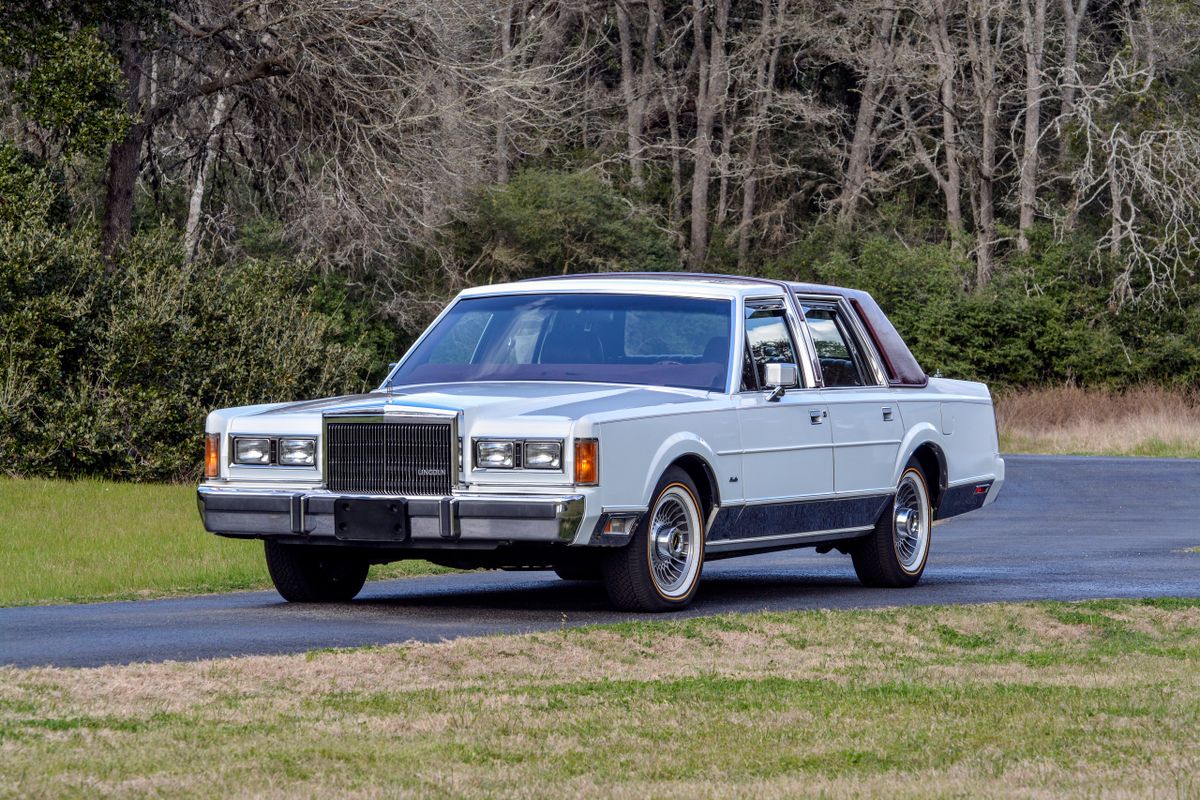
Lincoln Town Car, first generation, factory photo
Factory color shown

1980–1989 Town Car coupe, sedan (first generation)

1980–1989coupe, sedan (2 or 4 doors)219.2 in (5,568 mm)

The first-generation Lincoln Town Car was produced from 1980 to 1989 and came as a coupe or a sedan, which changes the panel plan and film amount. The coupe has two long doors, while the sedan has four shorter doors, so the door seams and film pieces are different. The body is 219.2 in (5,568 mm) long in either style and takes about 61 ft (18.5 m) of cast film for a full wrap. Chrome or patterned film requires about 76 ft (23 m).

Film: about 61 ft (18.5 m) of 60-inch (1.52 m) cast film; chrome or patterned film: about 76 ft (23 m).

Roof, hood, chrome delete and PPF on a Town Car

Town Car chrome delete and partial wrap jobs let you change the car's look without wrapping the whole body. A roof, hood, or mirror cap wrap covers only those panels and uses much less film than a full wrap. Chrome delete wraps the window trim and badges with black film for a darker appearance. Paint protection film (PPF) is a clear film applied to the front end to guard against stone chips.

  • Partial wrap: roof, hood, mirror caps.
  • Chrome delete: window trim and badges.
  • Paint protection film: clear film on the front end, also over a wrap.

Wrapping a Lincoln Town Car: body, cut-outs and film

A Lincoln Town Car vinyl wrap is a large job because the sedan body is long at 215.4 in (5,470 mm) to 219.2 in (5,568 mm) and has tall, flat sides. The four doors and wide quarter panels add sheet metal that must be covered cleanly. The first generation also offered a coupe, which has longer doors but fewer panels overall. These sizes and body styles shape the panel plan and the total film amount.

Town Car wrap ideas start with what the installer must work around: door handles, mirrors, trim, and badges. On every generation the chrome window trim and grille can be wrapped or removed for a cleaner finish. The bumpers and side moldings need careful inlays or come off for best results. The 2003 restyling changed the bumpers and lights, so those parts differ on earlier and later third-generation cars.

How much vinyl to wrap a Town Car depends on the generation, and the film estimates differ by several feet. The 1997–2011 body uses about 67 ft (20.5 m) of cast film, while the earlier bodies use about 61 ft (18.5 m). The first generation coupe may use a similar amount to the sedan, but the longer doors change how the film is cut. Anyone counting film should also add for chrome or patterned film, which needs up to 79 ft (24 m) on the newest body.

Questions about wrapping a Lincoln Town Car

How much vinyl does it take to wrap a Lincoln Town Car?

A full wrap of the newest Lincoln Town Car takes about 67 ft (20.5 m) of 60-inch (1.52 m) cast film. This figure covers the 1997–2011 sedan body without chrome or patterned film. If you choose chrome or patterned film, plan for about 79 ft (24 m) because the pattern must be matched. The earlier generations use slightly less film, about 61 ft (18.5 m).

Which years of the Town Car take the same film cuts?

The 1997–2011 third-generation Town Car has the same film cuts within two periods: 1997–2002 and 2003–2011. A restyling in 2003 changed the bumpers and lights, so front and rear cuts differ between the periods. The second generation (1989–1997) and first generation (1980–1989) have their own body panels. Within each of those generations, the cuts remain the same.

Can I wrap only the hood or the roof of a Town Car?

Yes, you can wrap only the hood or the roof of a Town Car, and a partial wrap is a smaller job than a full wrap. The roof of a Town Car is a large, flat panel that is straightforward to cover. The hood is also manageable, but it may have a center crease that needs careful squeegeeing. Mirror caps are another small partial wrap option that changes the look quickly.

Is a Town Car hard to wrap?

A Town Car is not the hardest car to wrap, but its size and trim add work. The body is over 215 in (5,470 mm) long, so each panel is large and requires careful film handling. The chrome window trim, door handles, and badges must be removed or cut around, which adds time. On older cars, paint condition can also complicate adhesion, so a test spot is recommended.