Wraps by car

Chevrolet Uplander wrap

The Chevrolet Uplander wrap page covers the 2004–2010 minivan in its single generation and the film a full wrap of its newest body takes. A complete vinyl wrap uses about 77 ft (23.5 m) of 60-inch (1.52 m) cast film. For chrome or patterned film, plan on about 87 ft (26.5 m). These figures come from the largest Uplander body.

1generations23.5 mof film for a full wrap

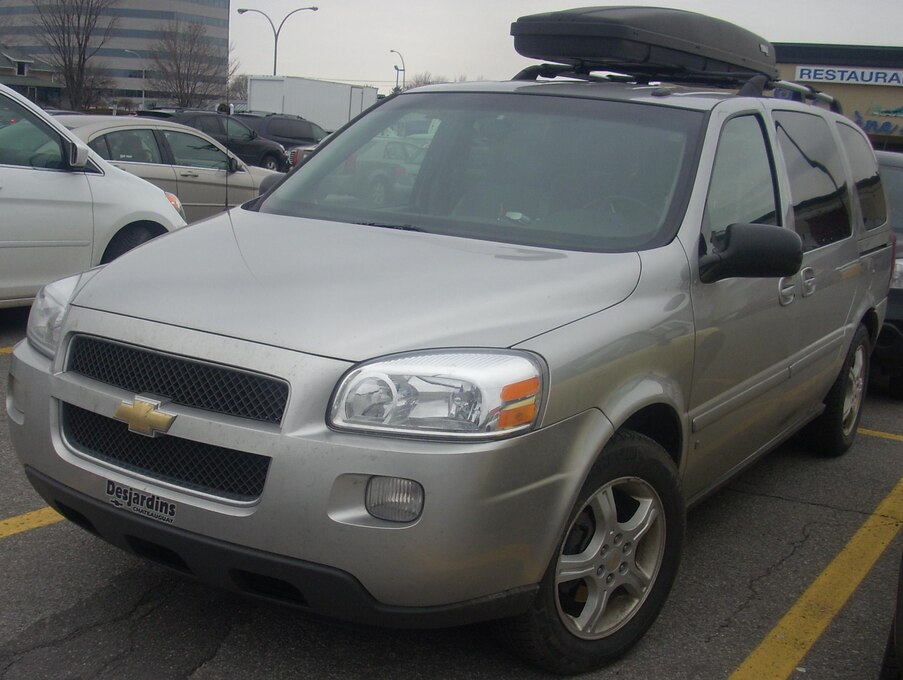
Chevrolet Uplander, first generation, factory photo
Chevrolet Uplander, first generation. Factory color shown.

Chevrolet Uplander wrap colors and ideas

  • Uplander black wrap
  • Uplander white wrap
  • Uplander gray wrap
  • Uplander silver wrap
  • Uplander red wrap
  • Uplander blue wrap
  • Uplander green wrap
  • Uplander yellow wrap
  • Uplander orange wrap
  • Uplander purple wrap
  • Uplander pink wrap
  • Uplander teal wrap
  • Uplander brown wrap
  • Uplander gold wrap
  • Uplander chrome wrap
  • Uplander color shift wrap
  • Uplander carbon fiber wrap
  • Uplander camo and patterned wrap

How much vinyl to wrap a Chevrolet Uplander

Estimates from the body dimensions in the catalog, for a 1.52 m (60 in) roll.

YearsBodyLengthFilm to order
2004–2010van (5 doors)191.0 in (4,851 mm) to 204.3 in (5,189 mm)about 77 ft (23.5 m) of 60-inch (1.52 m) cast film; chrome or patterned film: about 87 ft (26.5 m)

Uplander wrap cost factors

Uplander wrap cost depends most on the film type: a standard color change wrap uses about 77 ft (23.5 m) of 60-inch (1.52 m) cast film, while chrome or patterned film needs about 87 ft (26.5 m). The larger extended body takes more material than the shorter version. Labor is affected by the tall roof, which requires a platform, and by the time needed to trim around the sliding door tracks. Any extra jobs like chrome delete or paint protection film are priced separately.
  • Film for a full wrap: about 77 ft (23.5 m) of 60-inch (1.52 m) cast film; chrome or patterned film: about 87 ft (26.5 m).
  • Body: van (5 doors).
  • Sliding side doors: the door tracks stay bare, and the film is cut along them.
  • A tall body (72.0 in (1,829 mm)): the roof is wrapped from a platform.

Uplander wraps by generation

Swipe sideways. Tap a card for the full description.

Chevrolet Uplander, first generation, factory photo
Factory color shown

2004–2010 Uplander van (first generation)

2004–2010van (5 doors)191.0 in (4,851 mm) to 204.3 in (5,189 mm)

The first generation Chevrolet Uplander (2004–2010) has sliding side doors whose tracks stay bare and decide where the film is cut. The door runs are long, so the film must be sliced along the track line to let the door move freely. The tall body, at 72.0 in (1,829 mm), makes the roof wrap a platform job. A full wrap of this body takes about 77 ft (23.5 m) of 60-inch (1.52 m) cast film.

Sliding side doors: the door tracks stay bare, and the film is cut along them.

A tall body (72.0 in (1,829 mm)): the roof is wrapped from a platform.

Film: about 77 ft (23.5 m) of 60-inch (1.52 m) cast film; chrome or patterned film: about 87 ft (26.5 m).

Roof, hood, chrome delete and PPF on a Uplander

A partial wrap on a Uplander usually covers the roof, hood, or mirror caps, while a Uplander chrome delete turns the window trim and badges black with film. Paint protection film (PPF) is a clear layer applied to the front end. These smaller jobs work well on the Uplander because the large panels can be wrapped on their own. The sliding door tracks are left bare in any partial wrap.

  • Partial wrap: roof, hood, mirror caps.
  • Chrome delete: window trim and badges.
  • Paint protection film: clear film for the front end, which can also go over a wrap.

Wrapping a Chevrolet Uplander: body, cut-outs and film

A Chevrolet Uplander vinyl wrap is shaped by the van's five-door body and its length of 191.0 in (4,851 mm) to 204.3 in (5,189 mm). The tall sides add surface area, so the roof and upper panels take more film than on a lower car. The sliding doors create long uninterrupted panels that need careful alignment. Extra length on the extended body means more material than on the shorter version.

Uplander wrap ideas start with planning around the sliding side doors, because their tracks stay bare and determine where the film is cut. The door handles, mirrors, badges, and roof rails come off for a clean finish. The tall body, at 72.0 in (1,829 mm), means the roof wrap is done from a platform or step. Any cut-outs for lights and the fuel door must be trimmed precisely.

How much vinyl to wrap a Uplander depends on whether you have the standard or extended body. The longer version, at 204.3 in (5,189 mm), uses more film than the 191.0 in (4,851 mm) body. Since only one generation exists, there is no change in body style between years. The film estimate on this page is for the largest Uplander.

Questions about wrapping a Chevrolet Uplander

How much vinyl does it take to wrap a Chevrolet Uplander?

A full wrap takes about 77 ft (23.5 m) of 60-inch (1.52 m) cast film, and for chrome or patterned film about 87 ft (26.5 m). The Uplander is a long minivan, so the roof and sides use more film than a small car. The largest body, at 204.3 in (5,189 mm), is the basis for this estimate. The standard body needs slightly less.

Are the sliding doors of a Uplander wrapped?

Yes, the sliding doors are wrapped, but their tracks stay bare. The film is cut along the track line so the doors can open and close without rubbing. The tracks are a fixed point that the installer works around. This is a standard part of wrapping a Uplander.

Can I wrap only the hood or the roof of a Uplander?

Yes, you can wrap only the hood or the roof of a Uplander as a partial wrap. The roof is large and flat, so it is a common choice, though the tall body makes access harder. A partial wrap can also cover mirror caps or the front end with paint protection film (PPF). A chrome delete on the window trim and badges is another partial option.

Is a Uplander hard to wrap?

A Uplander is not the easiest van to wrap because of its tall body: the roof needs a platform to reach. The sliding door tracks must be trimmed carefully, which adds time. The long panels are straightforward, but the large surface area means more film and more labor. With the right planning, a clean wrap is achievable.