Wraps by car

Buick Roadmaster wrap

The Buick Roadmaster wrap page covers all eight generations of this full-size car, from 1942 to 1996. A vinyl wrap on the newest body, the 1991–1996 sedan or wagon, takes about 61 ft (18.5 m) for the sedan to 76 ft (23 m) for the wagon. That estimate uses 60-inch (1.52 m) cast film. Chrome or patterned film can raise the total to about 85 ft (26 m).

8generations23 mof film for a full wrap

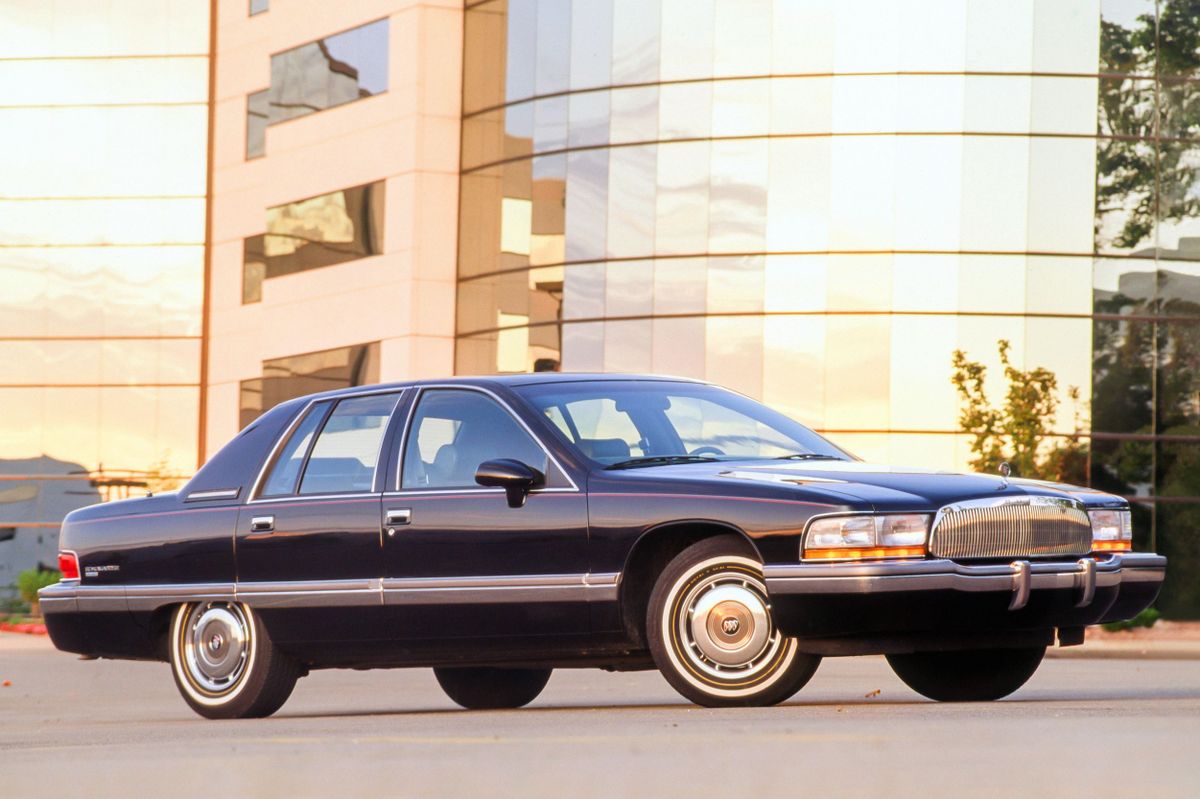
Buick Roadmaster, eighth generation, factory photo
Buick Roadmaster, eighth generation. Factory color shown.

Buick Roadmaster wrap colors and ideas

  • Roadmaster black wrap
  • Roadmaster white wrap
  • Roadmaster gray wrap
  • Roadmaster silver wrap
  • Roadmaster red wrap
  • Roadmaster blue wrap
  • Roadmaster green wrap
  • Roadmaster yellow wrap
  • Roadmaster orange wrap
  • Roadmaster purple wrap
  • Roadmaster pink wrap
  • Roadmaster teal wrap
  • Roadmaster brown wrap
  • Roadmaster gold wrap
  • Roadmaster chrome wrap
  • Roadmaster color shift wrap
  • Roadmaster carbon fiber wrap
  • Roadmaster camo and patterned wrap

How much vinyl to wrap a Buick Roadmaster

Estimates from the body dimensions in the catalog, for a 1.52 m (60 in) roll.

YearsBodyLengthFilm to order
1991–1996sedan, wagon (4 or 5 doors)215.9 in (5,483 mm) to 217.6 in (5,526 mm)about 61 ft (18.5 m) for the sedan to 76 ft (23 m) for the wagon, 60-inch (1.52 m) cast film; chrome or patterned film: up to about 85 ft (26 m)
1957–1958convertible, coupe (2 doors)——
1954–1956convertible, coupe, sedan (2 or 4 doors)——
1949–1953convertible, sedan, wagon (2 or 4 or 5 doors)212.8 in (5,404 mm)about 66 ft (20 m) for the convertible to 76 ft (23 m) for the wagon, 60-inch (1.52 m) cast film; chrome or patterned film: up to about 84 ft (25.5 m)
1942–1948convertible, coupe, sedan, wagon (2 or 4 or 5 doors)217.1 in (5,515 mm)about 66 ft (20 m) for the convertible to 76 ft (23 m) for the wagon, 60-inch (1.52 m) cast film; chrome or patterned film: up to about 85 ft (26 m)
1940–1941convertible, sedan (2 or 4 doors)——
1938–1939convertible, sedan (4 doors)——
1936–1937convertible, sedan (4 doors)——

Roadmaster wrap cost factors

Roadmaster wrap cost depends mainly on the body style and the film you choose. A wagon from 1942–1953 or 1991–1996 uses up to 76 ft (23 m) of film, while a sedan or convertible uses less. Chrome or patterned film adds more material, raising the total to about 84–85 ft (25.5–26 m) on some models. The condition of the paint also matters, because old or repainted panels need more preparation before the vinyl goes on.
  • Film for a full wrap: about 61 ft (18.5 m) for the sedan to 76 ft (23 m) for the wagon, 60-inch (1.52 m) cast film; chrome or patterned film: up to about 85 ft (26 m).
  • Body: sedan, wagon (4 or 5 doors).
  • A tailgate with the rear glass in it: the film ends at the edge of the glass.

Roadmaster wraps by generation

Swipe sideways. Tap a card for the full description.

Buick Roadmaster, eighth generation, factory photo
Factory color shown

1991–1996 Roadmaster sedan, wagon (eighth generation)

1991–1996sedan, wagon (4 or 5 doors)215.9 in (5,483 mm) to 217.6 in (5,526 mm)

The eighth-generation Roadmaster came as a sedan or a wagon, and that choice sets the panel plan. The sedan is a four-door with a trunk, so the installer works around the rear deck and the side windows. The wagon has a long roof and a tailgate with the rear glass in it, so the film ends at the glass edge. A wagon wrap uses about 76 ft (23 m) of 60-inch (1.52 m) film, while the sedan uses about 61 ft (18.5 m).

A tailgate with the rear glass in it: the film ends at the edge of the glass.

Film: about 61 ft (18.5 m) for the sedan to 76 ft (23 m) for the wagon, 60-inch (1.52 m) cast film; chrome or patterned film: up to about 85 ft (26 m).

Buick Roadmaster, seventh generation, factory photo
Factory color shown

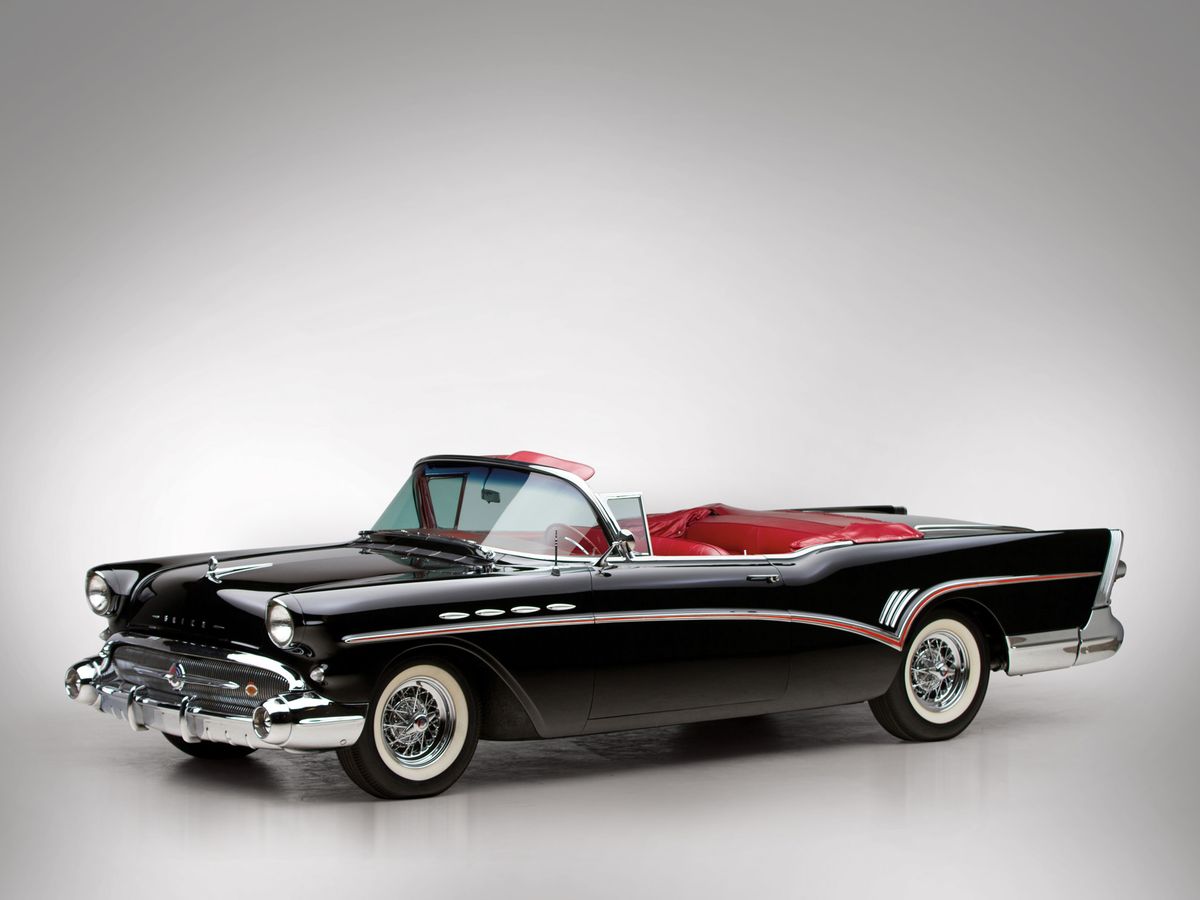
1957–1958 Roadmaster convertible, coupe (seventh generation)

1957–1958convertible, coupe (2 doors)

On the 1957–1958 Roadmaster, the open top is the first thing a wrap installer looks at. A fabric convertible top is never wrapped, and the vinyl film ends where the top begins. If the car has a folding hard top, that top is wrapped as its own set of panels. This two-door car also has two long side doors, and each door gets one large piece of film to avoid a seam in the middle.

Convertible body: a fabric top is not wrapped and the film ends where it begins; a folding hard top is wrapped as panels of its own.

Two long side doors: each door is one large piece of film.

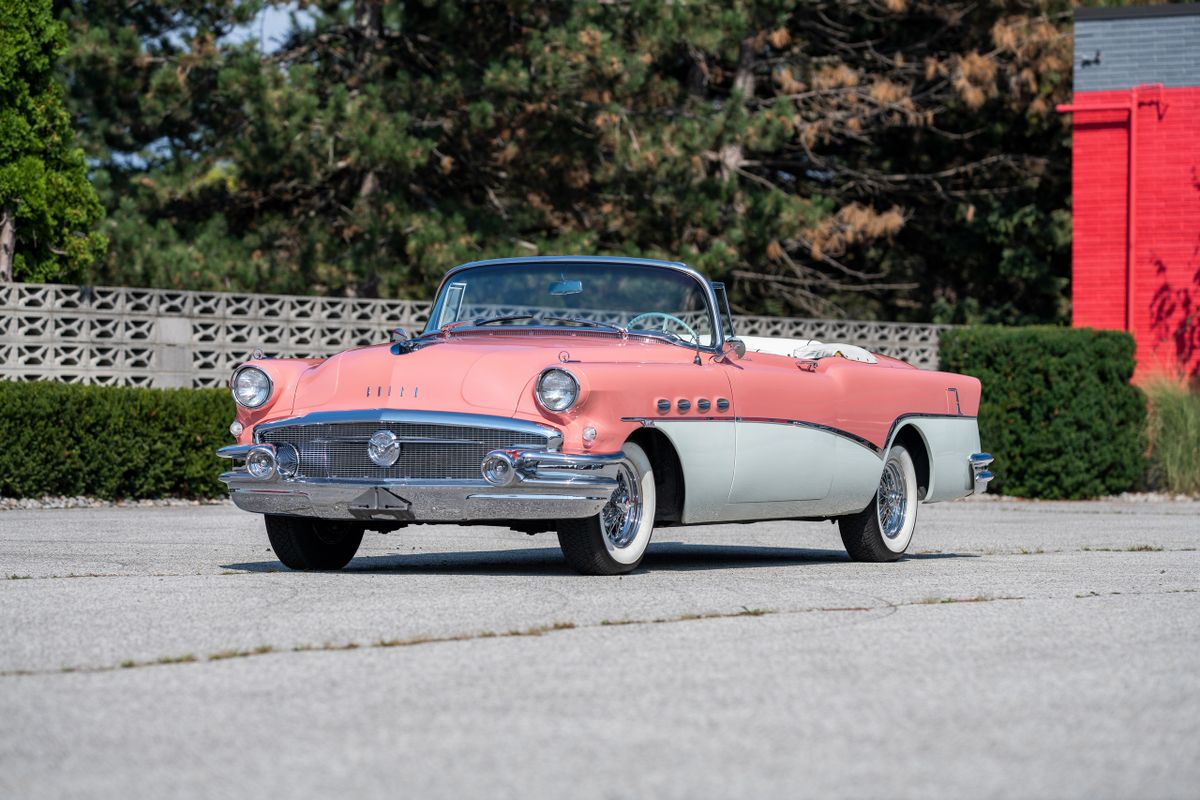
Buick Roadmaster, sixth generation, factory photo
Factory color shown

1954–1956 Roadmaster convertible, coupe, sedan (sixth generation)

1954–1956convertible, coupe, sedan (2 or 4 doors)

For a 1954–1956 Roadmaster, paint age decides how much preparation a wrap needs. These cars may still have their original paint, or some panels may have been repainted over the years. Before a full wrap, a test spot is applied to check how the film sticks to the old finish. The body style also matters, because a convertible, coupe, or sedan each has different panels to cover.

Convertible body: a fabric top is not wrapped and the film ends where it begins; a folding hard top is wrapped as panels of its own.

Buick Roadmaster, fifth generation, factory photo
Factory color shown

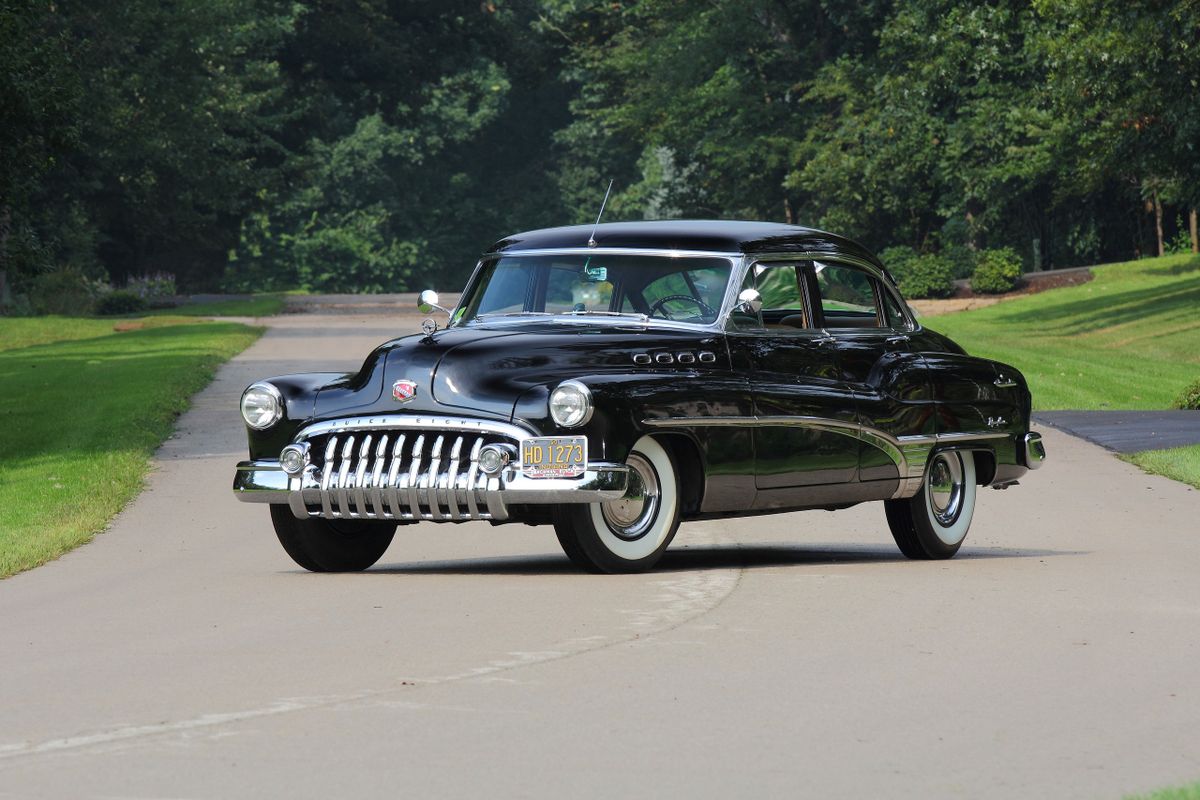
1949–1953 Roadmaster convertible, sedan, wagon (fifth generation)

1949–1953convertible, sedan, wagon (2 or 4 or 5 doors)212.8 in (5,404 mm)

The 1949–1953 Roadmaster is a full-size car at 212.8 in (5,404 mm) long, so the film amount varies by body. A convertible needs about 66 ft (20 m) of 60-inch (1.52 m) film, and a wagon needs about 76 ft (23 m). The wagon has a tailgate with glass, so the film stops at the glass edge. Chrome or patterned film on this generation can push the total to about 84 ft (25.5 m).

Convertible body: a fabric top is not wrapped and the film ends where it begins; a folding hard top is wrapped as panels of its own.

A tailgate with the rear glass in it: the film ends at the edge of the glass.

Film: about 66 ft (20 m) for the convertible to 76 ft (23 m) for the wagon, 60-inch (1.52 m) cast film; chrome or patterned film: up to about 84 ft (25.5 m).

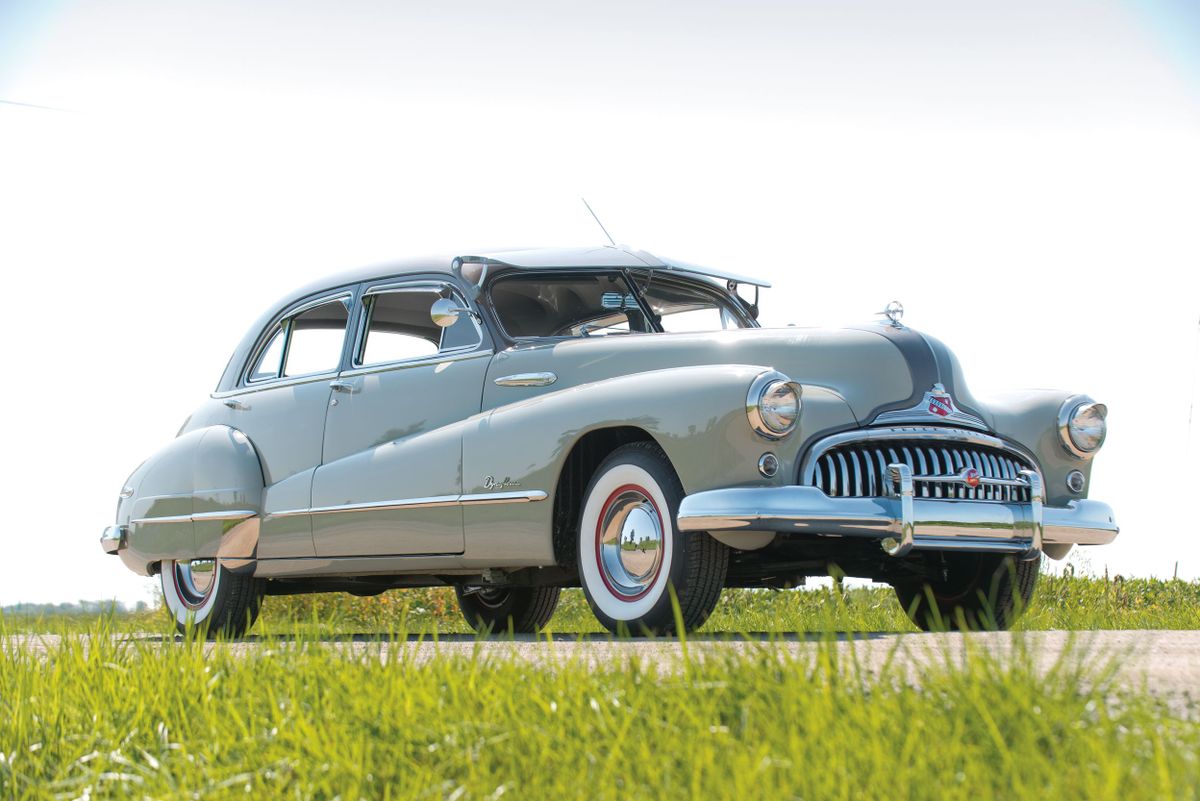
Buick Roadmaster, fourth generation, factory photo
Factory color shown

1942–1948 Roadmaster convertible, coupe, sedan, wagon (fourth generation)

1942–1948convertible, coupe, sedan, wagon (2 or 4 or 5 doors)217.1 in (5,515 mm)

The 1942–1948 Roadmaster is 217.1 in (5,515 mm) long, and its wrap uses the same film math as the 1949–1953 cars. A convertible takes about 66 ft (20 m) of 60-inch (1.52 m) film, and a wagon takes about 76 ft (23 m). The wagon's tailgate glass means the film must end at that edge. With chrome or patterned film, the upper figure reaches about 85 ft (26 m).

Convertible body: a fabric top is not wrapped and the film ends where it begins; a folding hard top is wrapped as panels of its own.

A tailgate with the rear glass in it: the film ends at the edge of the glass.

Film: about 66 ft (20 m) for the convertible to 76 ft (23 m) for the wagon, 60-inch (1.52 m) cast film; chrome or patterned film: up to about 85 ft (26 m).
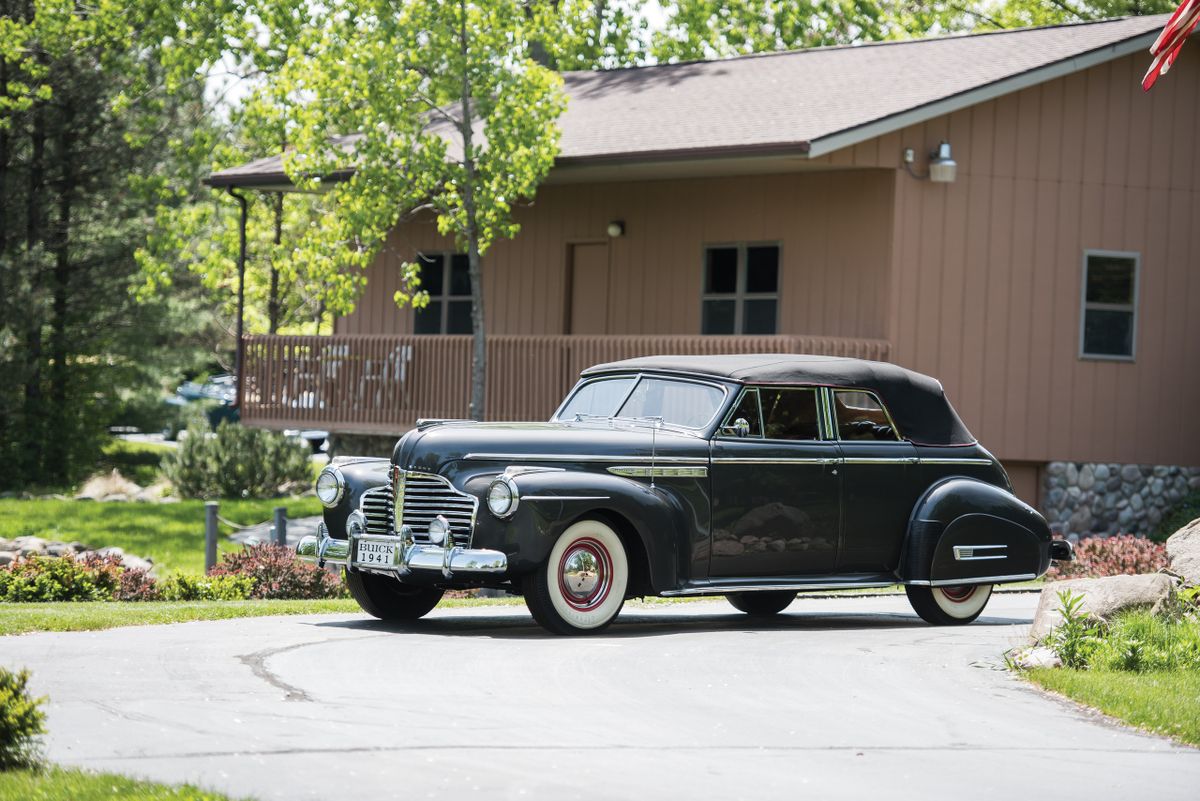
Buick Roadmaster, third generation, factory photo
Factory color shown

1940–1941 Roadmaster convertible, sedan (third generation)

1940–1941convertible, sedan (2 or 4 doors)

Convertible body: a fabric top is not wrapped and the film ends where it begins; a folding hard top is wrapped as panels of its own.

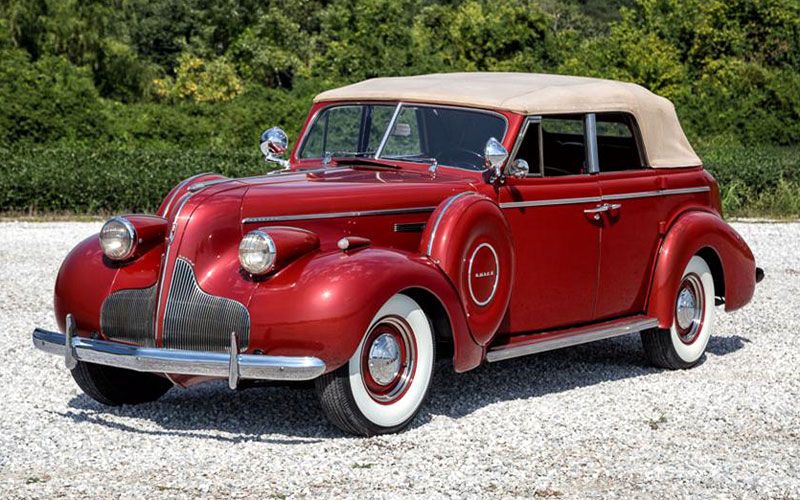
Buick Roadmaster, second generation, factory photo
Factory color shown

1938–1939 Roadmaster convertible, sedan (second generation)

1938–1939convertible, sedan (4 doors)

Convertible body: a fabric top is not wrapped and the film ends where it begins; a folding hard top is wrapped as panels of its own.

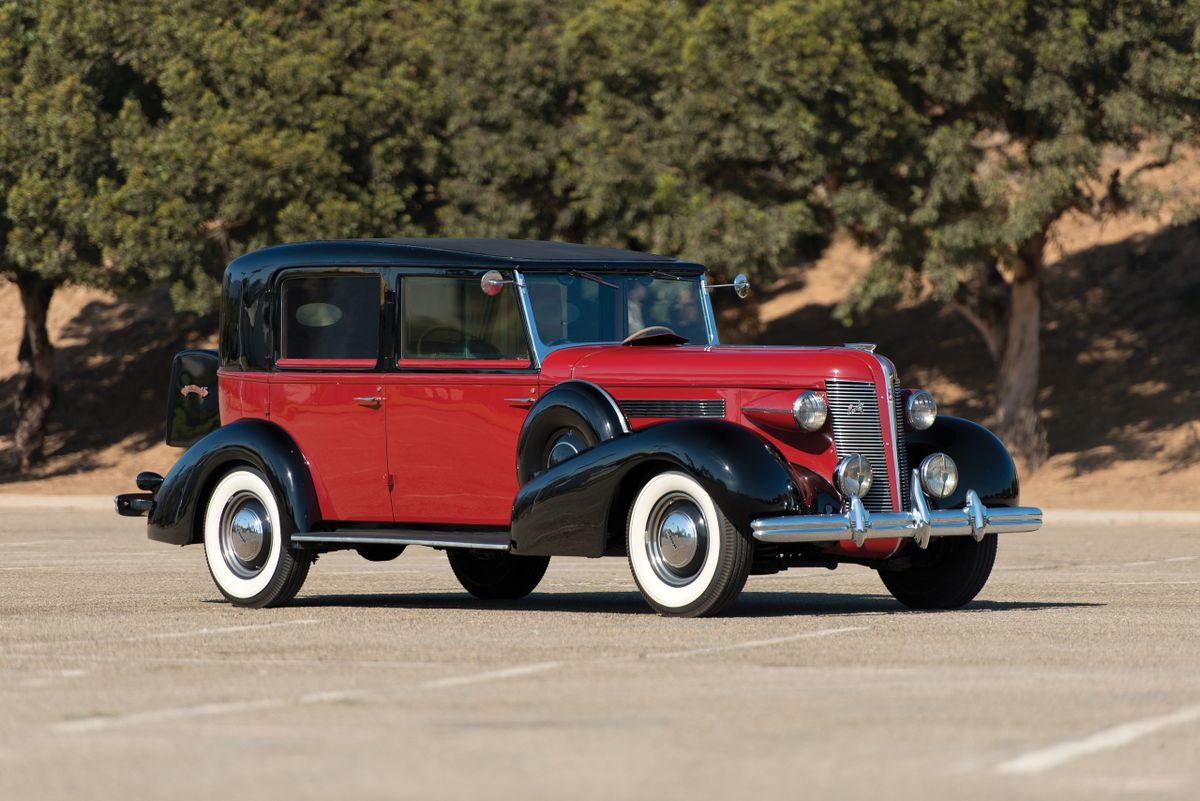
Buick Roadmaster, first generation, factory photo
Factory color shown

1936–1937 Roadmaster convertible, sedan (first generation)

1936–1937convertible, sedan (4 doors)

Convertible body: a fabric top is not wrapped and the film ends where it begins; a folding hard top is wrapped as panels of its own.

Roof, hood, chrome delete and PPF on a Roadmaster

A partial wrap on a Roadmaster can cover just the roof, the hood, or the mirror caps. Roadmaster chrome delete is another option: the window trim and badges are covered with black film. Paint protection film (PPF) is a clear film applied to the front end to guard against stone chips. These jobs use much less film than a full color change wrap and leave most of the body untouched.

  • Partial wrap: roof, hood, mirror caps.
  • Chrome delete: window trim and badges.
  • Paint protection film: clear film on the front end, also over a wrap.

Wrapping a Buick Roadmaster: body, cut-outs and film

For a Buick Roadmaster vinyl wrap, the body style is the first thing that shapes the job. The 1991–1996 generation came as a sedan or a wagon, and the wagon needs more film because of its long roof and tall tailgate. The wagon is 217.6 in (5,526 mm) long, while the sedan is 215.9 in (5,483 mm). A full-size car like this has large flat panels, so a wrap uses long pieces of film on every side.

Roadmaster wrap ideas often focus on the bright trim and the tailgate. On cars from 1942–1953 and 1991–1996, the tailgate holds the rear glass, and the film must end exactly at the edge of that glass. Convertible generations from 1949–1958 have a fabric or folding hard top that is not wrapped like a steel roof. If the top is fabric, the film stops where the top begins. A folding hard top is covered as its own separate panels.

To work out how much vinyl to wrap a Roadmaster, you compare the body styles within each generation. The 1991–1996 sedan needs about 61 ft (18.5 m) of 60-inch (1.52 m) film, and the wagon needs about 76 ft (23 m). For 1949–1953 models, the convertible takes about 66 ft (20 m) and the wagon takes about 76 ft (23 m). The 1942–1948 cars show the same split: about 66 ft (20 m) for the convertible and 76 ft (23 m) for the wagon.

Questions about wrapping a Buick Roadmaster

How much vinyl does it take to wrap a Buick Roadmaster?

It takes about 61 ft (18.5 m) to 76 ft (23 m) of 60-inch (1.52 m) film to wrap a Buick Roadmaster. The lower figure is for the 1991–1996 sedan, and the higher figure is for the 1991–1996 wagon. If you choose chrome or patterned film, the total can be up to about 85 ft (26 m).

Which Roadmaster body takes more film?

The Roadmaster wagon takes more film than the sedan or convertible. For the 1991–1996 generation, the wagon needs about 76 ft (23 m) compared to the sedan's 61 ft (18.5 m). The same pattern appears in 1942–1948 and 1949–1953: the wagon uses about 76 ft (23 m), while the convertible uses about 66 ft (20 m).

Can I wrap only the hood or the roof of a Roadmaster?

Yes, you can wrap only the hood or the roof of a Roadmaster. A partial wrap covers one of those panels or the mirror caps. You can also do a chrome delete on the window trim and badges. Paint protection film is another option: clear film goes only on the front end.

Is a Roadmaster hard to wrap?

A Roadmaster is not the easiest car to wrap because of its size and some specific body details. The wagons from 1942–1953 and 1991–1996 have a tailgate with the rear glass set in it, so the film must end exactly at the glass edge. Convertibles from 1949–1958 need the vinyl to stop cleanly where the fabric top begins, or the folding hard top must be wrapped panel by panel. The long body also means large panels that require careful handling of the film.