Wraps by car

Ford Laser wrap

The Ford Laser wrap page covers four generations of this compact car, from 1981 to 2002. A full wrap of the newest body takes about 49 ft (15 m) of 60-inch (1.52 m) cast vinyl wrap. Chrome or patterned film adds roughly 61 ft (18.5 m) for the same body.

4generations15 mof film for a full wrap

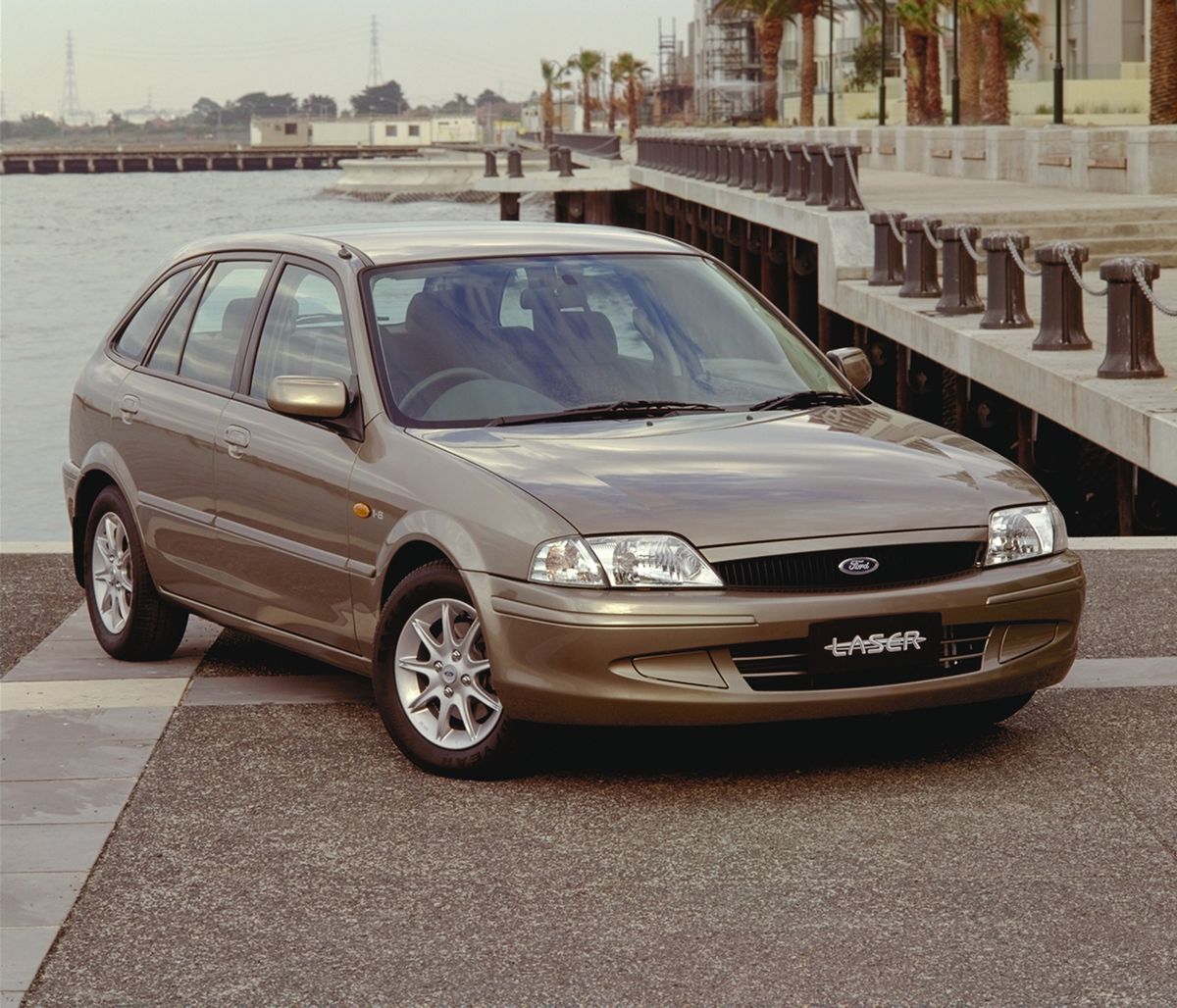
Ford Laser, fourth generation, factory photo
Ford Laser, fourth generation. Factory color shown.

Ford Laser wrap colors and ideas

  • Laser black wrap
  • Laser white wrap
  • Laser gray wrap
  • Laser silver wrap
  • Laser red wrap
  • Laser blue wrap
  • Laser green wrap
  • Laser yellow wrap
  • Laser orange wrap
  • Laser purple wrap
  • Laser pink wrap
  • Laser teal wrap
  • Laser brown wrap
  • Laser gold wrap
  • Laser chrome wrap
  • Laser color shift wrap
  • Laser carbon fiber wrap
  • Laser camo and patterned wrap

How much vinyl to wrap a Ford Laser

Estimates from the body dimensions in the catalog, for a 1.52 m (60 in) roll.

YearsBodyLengthFilm to order
1994–2002hatchback, sedan (4 or 5 doors)170.9 in (4,340 mm) to 173.0 in (4,395 mm)about 49 ft (15 m) of 60-inch (1.52 m) cast film; chrome or patterned film: about 61 ft (18.5 m)
1989–1994coupe, sedan (3 or 4 doors)168.1 in (4,270 mm)about 46 ft (14 m) for the coupe to 48 ft (14.5 m) for the sedan, 60-inch (1.52 m) cast film; chrome or patterned film: up to about 59 ft (18 m)
1985–1989convertible, sedan, wagon (2 or 4 or 5 doors)157.1 in (3,990 mm) to 169.7 in (4,310 mm)about 39 ft (12 m) for the convertible to 52 ft (16 m) for the wagon, 60-inch (1.52 m) cast film; chrome or patterned film: up to about 66 ft (20 m)
1981–1985hatchback, sedan (3 or 4 or 5 doors)155.9 in (3,960 mm)about 44 ft (13.5 m) for the sedan to 46 ft (14 m) for the hatchback, 60-inch (1.52 m) cast film; chrome or patterned film: up to about 57 ft (17.5 m)

Laser wrap cost factors

The cost of a Ford Laser wrap depends on the body style and the amount of film. A wagon needs more material than a convertible, from about 39 ft (12 m) to 52 ft (16 m). Labor changes with panel size and the condition of the paint. Paint protection film on the front end costs differently than a full color change wrap.
  • Film for a full wrap: about 49 ft (15 m) of 60-inch (1.52 m) cast film; chrome or patterned film: about 61 ft (18.5 m).
  • Body: hatchback, sedan (4 or 5 doors).
  • A tailgate with the rear glass in it: the film ends at the edge of the glass.

Laser wraps by generation

Swipe sideways. Tap a card for the full description.

Ford Laser, fourth generation, factory photo
Factory color shown

1994–2002 Laser hatchback, sedan (fourth generation)

1994–2002hatchback, sedan (4 or 5 doors)170.9 in (4,340 mm) to 173.0 in (4,395 mm)

The fourth generation Ford Laser comes as a hatchback or sedan with four or five doors. The body style decides the panel plan and the film amount for a wrap. A five-door hatchback has more seams and smaller panels than a four-door sedan. This generation measures 170.9 in (4,340 mm) to 173.0 in (4,395 mm) long.

A tailgate with the rear glass in it: the film ends at the edge of the glass.

Film: about 49 ft (15 m) of 60-inch (1.52 m) cast film; chrome or patterned film: about 61 ft (18.5 m).

Ford Laser, third generation, factory photo
Factory color shown

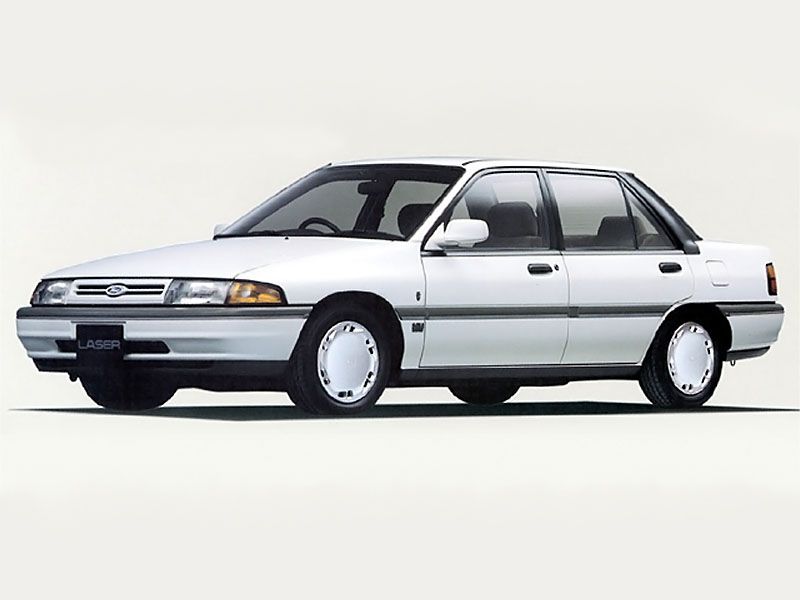
1989–1994 Laser coupe, sedan (third generation)

1989–1994coupe, sedan (3 or 4 doors)168.1 in (4,270 mm)

The third generation Ford Laser was built from 1989 to 1994 in coupe and sedan styles. Paint age matters on a car of these years, as panels may be original or repainted. A test spot comes before a full wrap to check adhesion on old paint. This generation is 168.1 in (4,270 mm) long and needs about 46 to 48 ft (14 to 14.5 m) of film.

Film: about 46 ft (14 m) for the coupe to 48 ft (14.5 m) for the sedan, 60-inch (1.52 m) cast film; chrome or patterned film: up to about 59 ft (18 m).

Ford Laser, second generation, factory photo
Factory color shown

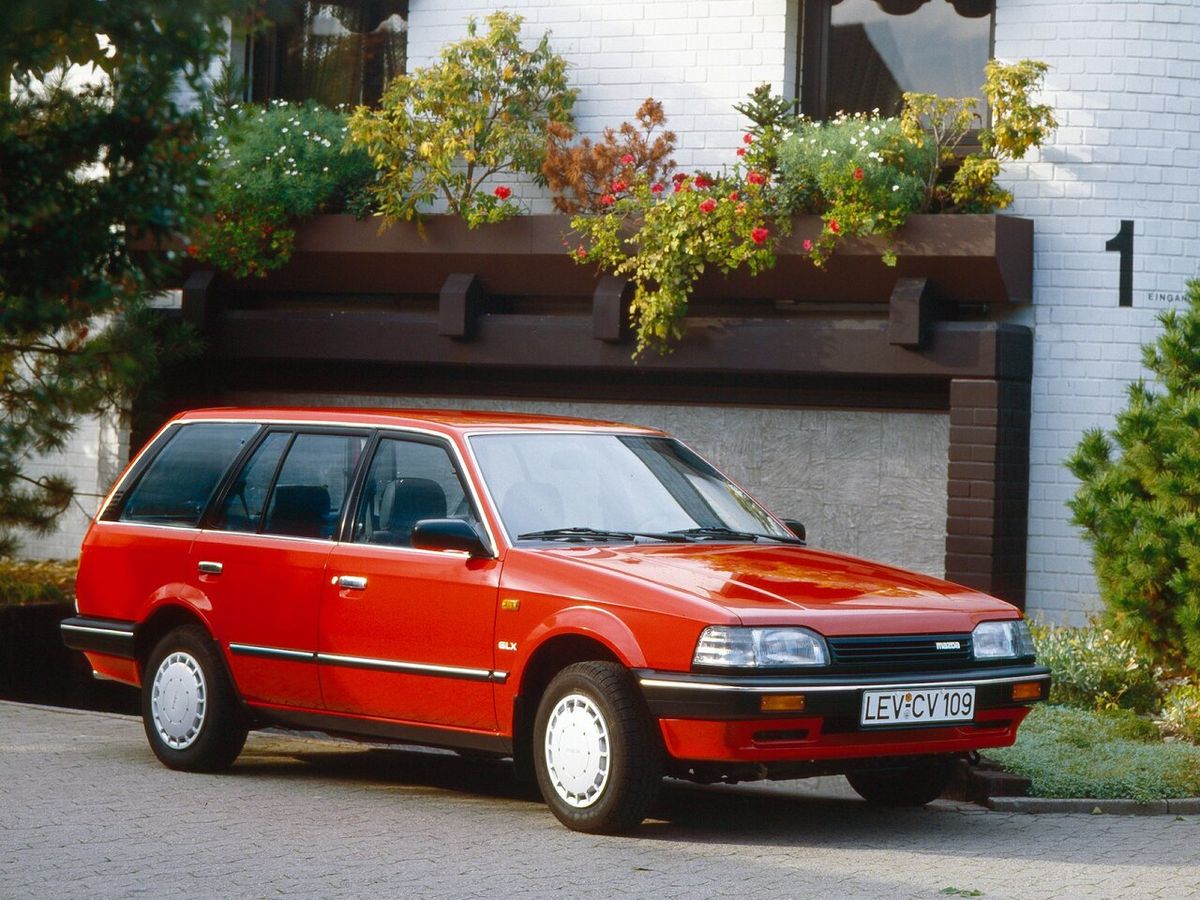
1985–1989 Laser convertible, sedan, wagon (second generation)

1985–1989convertible, sedan, wagon (2 or 4 or 5 doors)157.1 in (3,990 mm) to 169.7 in (4,310 mm)

The second generation Ford Laser includes a convertible, and the open top affects how a wrap is done. A fabric roof is not wrapped, so the film ends where the fabric begins. A folding hard top is wrapped as separate panels of its own. This generation's bodies range from 157.1 in (3,990 mm) to 169.7 in (4,310 mm).

Convertible body: a fabric top is not wrapped and the film ends where it begins; a folding hard top is wrapped as panels of its own.

A tailgate with the rear glass in it: the film ends at the edge of the glass.

Film: about 39 ft (12 m) for the convertible to 52 ft (16 m) for the wagon, 60-inch (1.52 m) cast film; chrome or patterned film: up to about 66 ft (20 m).

Ford Laser, first generation, factory photo
Factory color shown

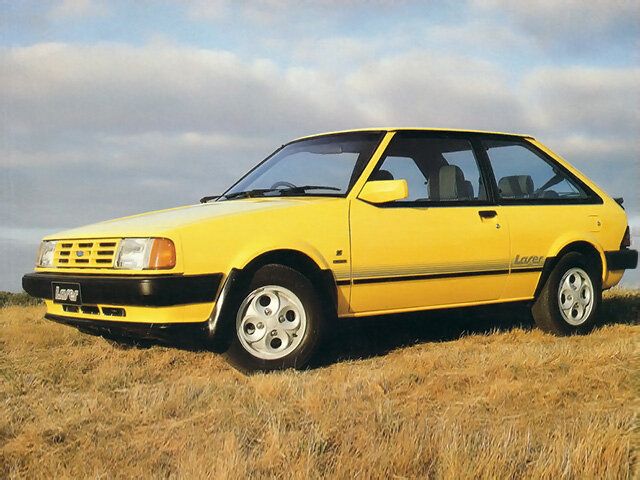
1981–1985 Laser hatchback, sedan (first generation)

1981–1985hatchback, sedan (3 or 4 or 5 doors)155.9 in (3,960 mm)

The first generation Ford Laser is the smallest of the four, at 155.9 in (3,960 mm) long. The size and the body style of this car decide the amount of film and the number of panels. A sedan needs about 44 ft (13.5 m) of film, while a hatchback needs about 46 ft (14 m). Its three- or five-door layout means fewer panels but larger stretches.

A tailgate with the rear glass in it: the film ends at the edge of the glass.

Film: about 44 ft (13.5 m) for the sedan to 46 ft (14 m) for the hatchback, 60-inch (1.52 m) cast film; chrome or patterned film: up to about 57 ft (17.5 m).

Roof, hood, chrome delete and PPF on a Laser

A partial wrap on a Ford Laser can cover the roof, hood, or mirror caps. Chrome delete covers window trim and badges with black film for a clean look. Paint protection film (PPF) is clear film applied to the front end to shield against stone chips. These smaller jobs use less material than a full wrap.

  • Partial wrap: roof, hood, mirror caps.
  • Chrome delete: window trim and badges.
  • Paint protection film: clear film for the front end, which can also go over a wrap.

Wrapping a Ford Laser: body, cut-outs and film

The body styles and sizes of the Ford Laser directly shape a vinyl wrap job. Hatchback, sedan, coupe, wagon, and convertible bodies from different years range from 155.9 in (3,960 mm) to 173.0 in (4,395 mm). A larger five-door wagon needs more film than a small three-door hatchback. Fewer doors mean larger single panels and more careful stretching.

Some Ford Laser bodies have a tailgate with the rear glass in it, so the film ends at the edge of the glass. The convertible body has a fabric top that is not wrapped, and the film ends where the top begins. A folding hard top is wrapped as panels of its own. Door handles, mirrors, and trim pieces are removed for a clean edge.

The amount of film for a Ford Laser changes between generations. First and second generation cars are shorter, needing about 44 to 46 ft (13.5 to 14 m) for sedans and hatchbacks. The third generation adds a coupe and uses about 46 to 48 ft (14 to 14.5 m). The fourth generation is the largest, requiring about 49 ft (15 m) for most bodies.

Questions about wrapping a Ford Laser

How much vinyl does it take to wrap a Ford Laser?

A full wrap of a fourth generation Ford Laser takes about 49 ft (15 m) of 60-inch (1.52 m) cast film. Chrome or patterned film for the same body needs about 61 ft (18.5 m). Other generations use between 39 ft (12 m) and 52 ft (16 m) depending on body style.

Which Laser body takes more film?

The wagon body of the second generation takes more film than other styles, about 52 ft (16 m). The convertible of the same generation needs the least, about 39 ft (12 m). Sedans and hatchbacks fall between 44 ft (13.5 m) and 49 ft (15 m).

Can I wrap only the hood or the roof of a Laser?

Yes, you can wrap only the hood or the roof of a Ford Laser. Partial wraps often include the roof, hood, or mirror caps. These jobs use less film and are quicker than a full wrap.

Is a Laser hard to wrap?

A Ford Laser is not hard to wrap, but some details add work. Tailgates with rear glass in them require trimming the film at the glass edge. Convertibles need extra care where the film meets the fabric top. Smaller first generation cars have larger single panels that need more stretching.