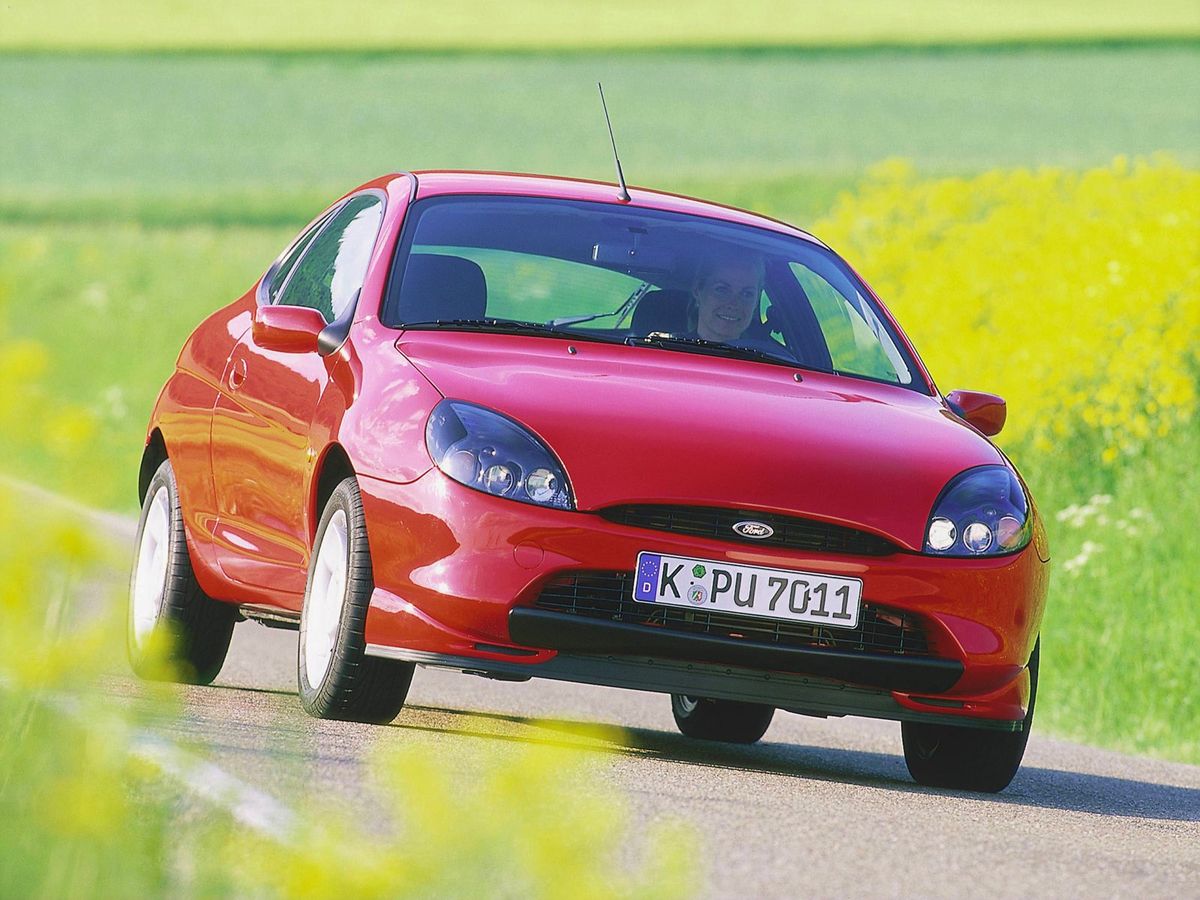
Puma wrap cost depends on the film amount, the number of cut-outs, and the body generation. The current model uses about 54 ft (16.5 m) of standard film or about 64 ft (19.5 m) for chrome or patterned film, while the first generation uses about 46 ft (14 m) or about 57 ft (17.5 m). Cut-outs for parking sensors, fog lamps, and roof rails add labor time. The condition of the paint also matters, especially on older cars.
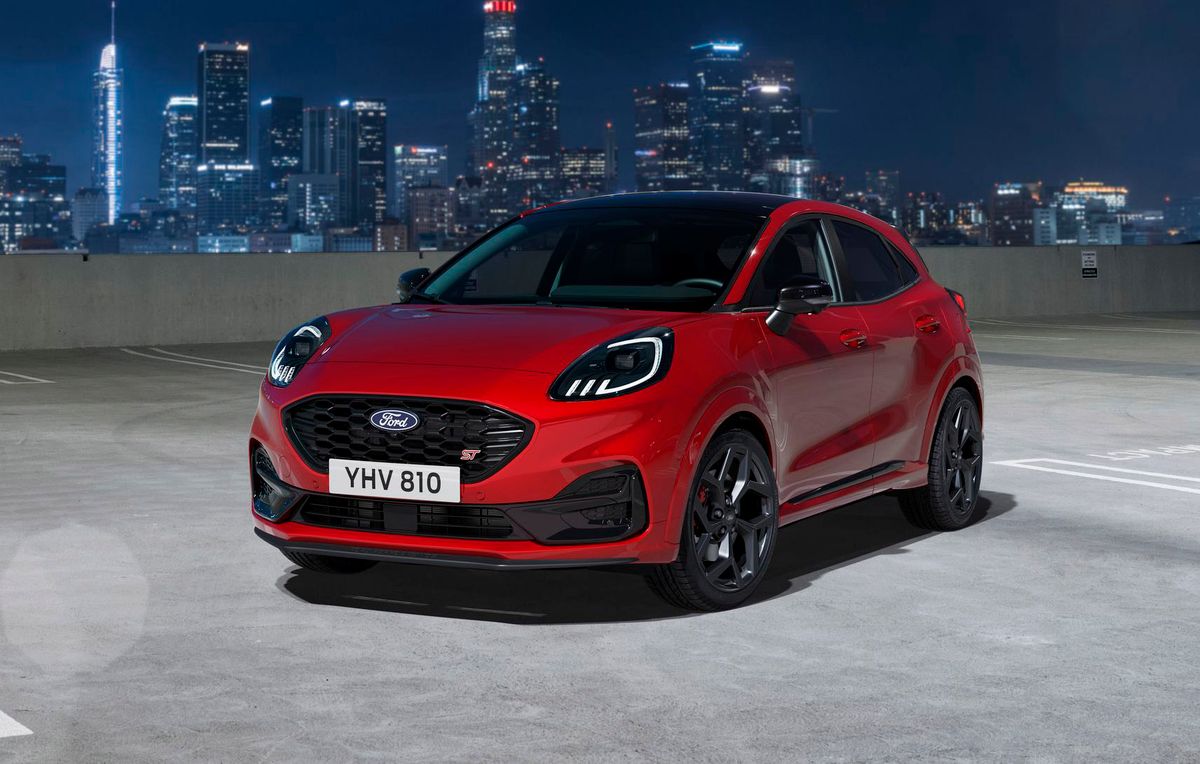
2019–now Puma SUV (second generation)
The roof of the second-generation Ford Puma can be wrapped if it is not glass, but some trims have a panoramic glass roof that is not wrapped. On cars with the glass roof, the roof stays dark whatever the color of the film. The factory two-tone roof means the wrap either keeps that split or covers it depending on the design.
A tailgate with the rear glass in it: the film ends at the edge of the glass.
Some trims have a panoramic glass roof: glass is not wrapped, and the film ends at the roof rails.
Every trim has a two-tone body from the factory: the roof is a second color, and the wrap either keeps that split or covers it.
Some trims have roof rails: they come off before the roof is wrapped, or the film is cut along them.
Every trim has parking sensors in the bumpers: the film is cut around each sensor.
Every trim has fog lamps in the front bumper: cut-outs in the bumper film.
Film: about 54 ft (16.5 m) of 60-inch (1.52 m) cast film; chrome or patterned film: about 64 ft (19.5 m).