Wraps by car

Plymouth Fury wrap

The Plymouth Fury wrap page covers all seven generations of this full-size American car. A vinyl wrap of the newest Fury body takes about 59 ft (18 m) for the coupe and up to 67 ft (20.5 m) for the wagon, using 60-inch (1.52 m) film. Chrome or patterned film can reach about 85 ft (26 m) on the same panels.

7generations18.5 mof film for a full wrap

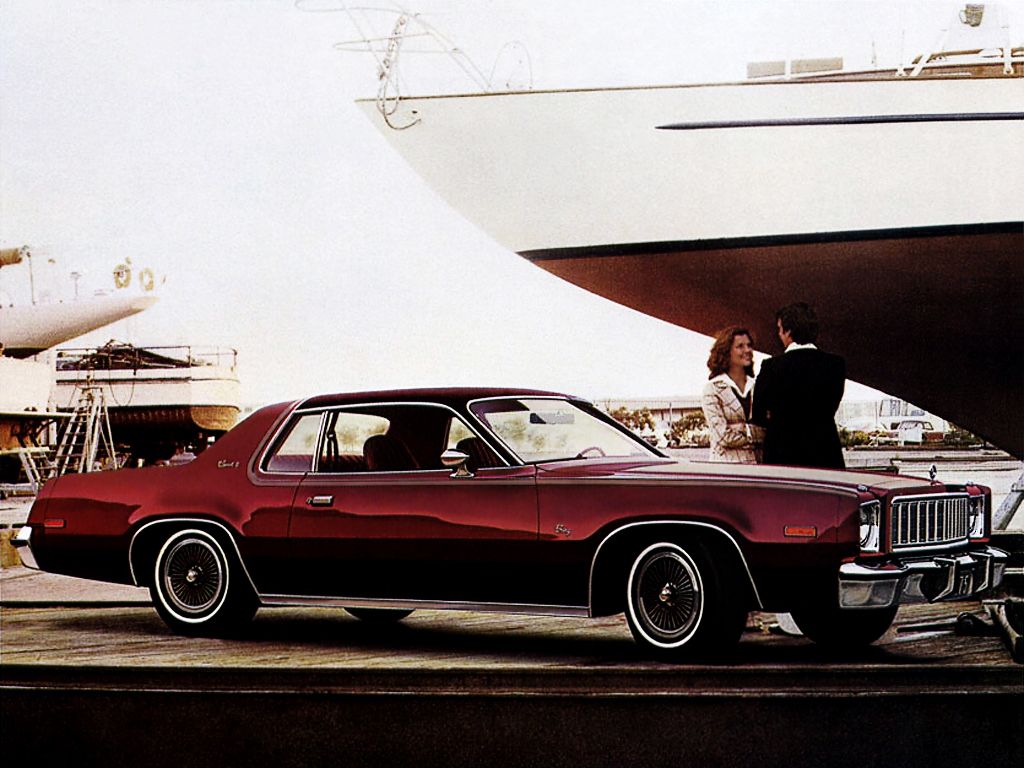
Plymouth Fury, seventh generation, factory photo
Plymouth Fury, seventh generation. Factory color shown.

Plymouth Fury wrap colors and ideas

  • Fury black wrap
  • Fury white wrap
  • Fury gray wrap
  • Fury silver wrap
  • Fury red wrap
  • Fury blue wrap
  • Fury green wrap
  • Fury yellow wrap
  • Fury orange wrap
  • Fury purple wrap
  • Fury pink wrap
  • Fury teal wrap
  • Fury brown wrap
  • Fury gold wrap
  • Fury chrome wrap
  • Fury color shift wrap
  • Fury carbon fiber wrap
  • Fury camo and patterned wrap

How much vinyl to wrap a Plymouth Fury

Estimates from the body dimensions in the catalog, for a 1.52 m (60 in) roll.

YearsBodyLengthFilm to order
1975–1978coupe, sedan, wagon (2 or 4 doors)217.9 in (5,535 mm)about 59 ft (18 m) for the coupe to 67 ft (20.5 m) for the wagon, 60-inch (1.52 m) cast film; chrome or patterned film: up to about 85 ft (26 m)
1973–1974coupe, sedan, wagon (2 or 4 doors)——
1969–1973convertible, coupe, sedan, wagon (2 or 4 or 5 doors)214.9 in (5,458 mm)about 57 ft (17.5 m) for the convertible to 67 ft (20.5 m) for the wagon, 60-inch (1.52 m) cast film; chrome or patterned film: up to about 85 ft (26 m)
1965–1968convertible, coupe, sedan, wagon (2 or 4 doors)——
1962–1964convertible, coupe, sedan, wagon (2 or 4 doors)——
1960–1961convertible, coupe, sedan (2 or 4 doors)209.5 in (5,321 mm)about 57 ft (17.5 m) for the convertible to 59 ft (18 m) for the coupe, 60-inch (1.52 m) cast film; chrome or patterned film: up to about 74 ft (22.5 m)
1959–1959convertible, coupe, sedan (2 or 4 doors)——

Fury wrap cost factors

The Fury wrap cost depends on the size of the car, the body style, and the film you choose. A wagon needs more film than a coupe, so it costs more in materials and labor. The measurements of each generation, such as 217.9 in (5,535 mm) for the seventh and 214.9 in (5,458 mm) for the fifth, set the amount of vinyl used. The installer's time also changes with the number of doors and the difficulty of the tailgate glass on wagons.
  • Film for a full wrap: about 59 ft (18 m) for the coupe to 67 ft (20.5 m) for the wagon, 60-inch (1.52 m) cast film; chrome or patterned film: up to about 85 ft (26 m).
  • Body: coupe, sedan, wagon (2 or 4 doors).
  • A tailgate with the rear glass in it: the film ends at the edge of the glass.

Fury wraps by generation

Swipe sideways. Tap a card for the full description.

Plymouth Fury, seventh generation, factory photo
Factory color shown

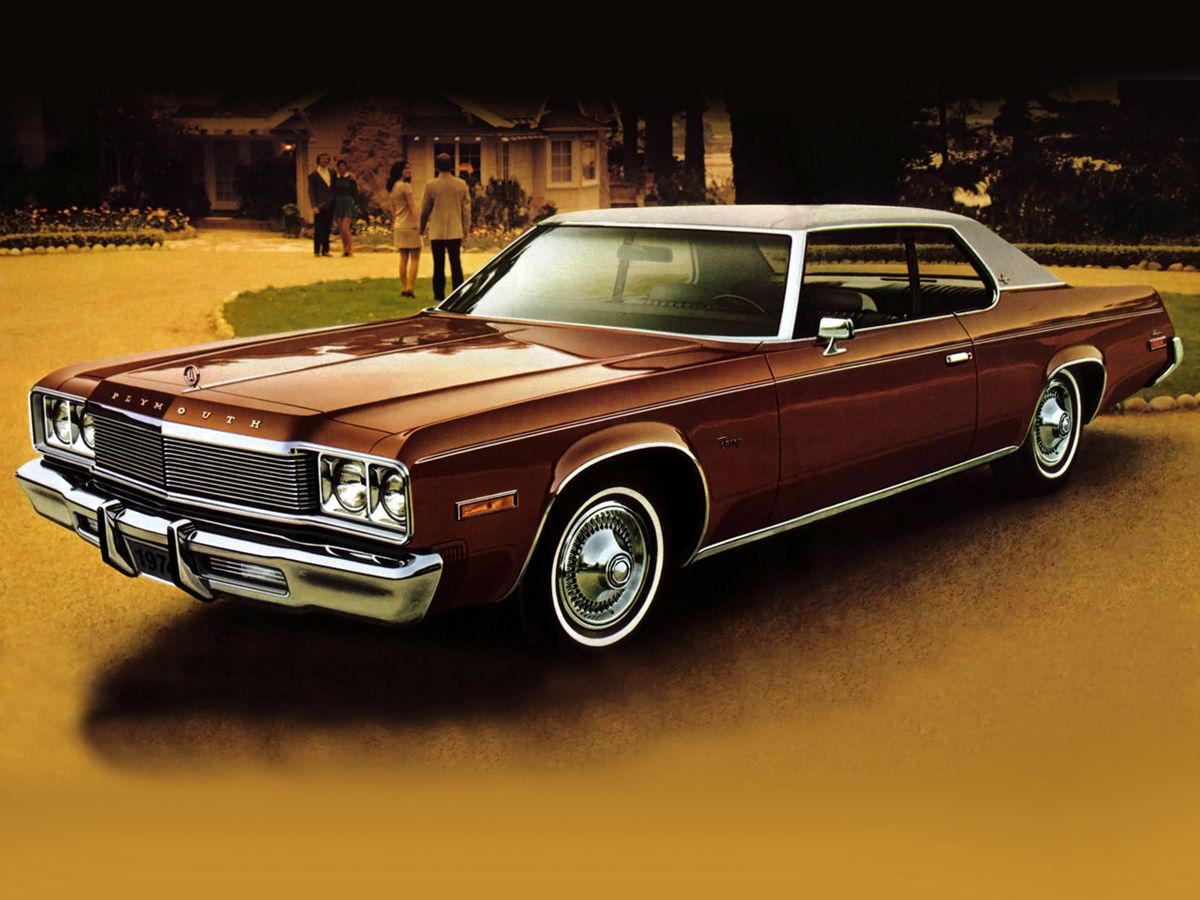
1975–1978 Fury coupe, sedan, wagon (seventh generation)

1975–1978coupe, sedan, wagon (2 or 4 doors)217.9 in (5,535 mm)

The seventh generation Plymouth Fury from 1975 to 1978 came as a coupe, sedan, or wagon with two or four doors. The body style decides the panel plan and the film amount, because a wagon has a longer roof and extra rear side panels. For a coupe, about 59 ft (18 m) of 60-inch (1.52 m) film is used, while a wagon takes about 67 ft (20.5 m). The tailgate with the glass set in it means the film edges are cut around the window.

A tailgate with the rear glass in it: the film ends at the edge of the glass.

Film: about 59 ft (18 m) for the coupe to 67 ft (20.5 m) for the wagon, 60-inch (1.52 m) cast film; chrome or patterned film: up to about 85 ft (26 m).

Plymouth Fury, sixth generation, factory photo
Factory color shown

1973–1974 Fury coupe, sedan, wagon (sixth generation)

1973–1974coupe, sedan, wagon (2 or 4 doors)

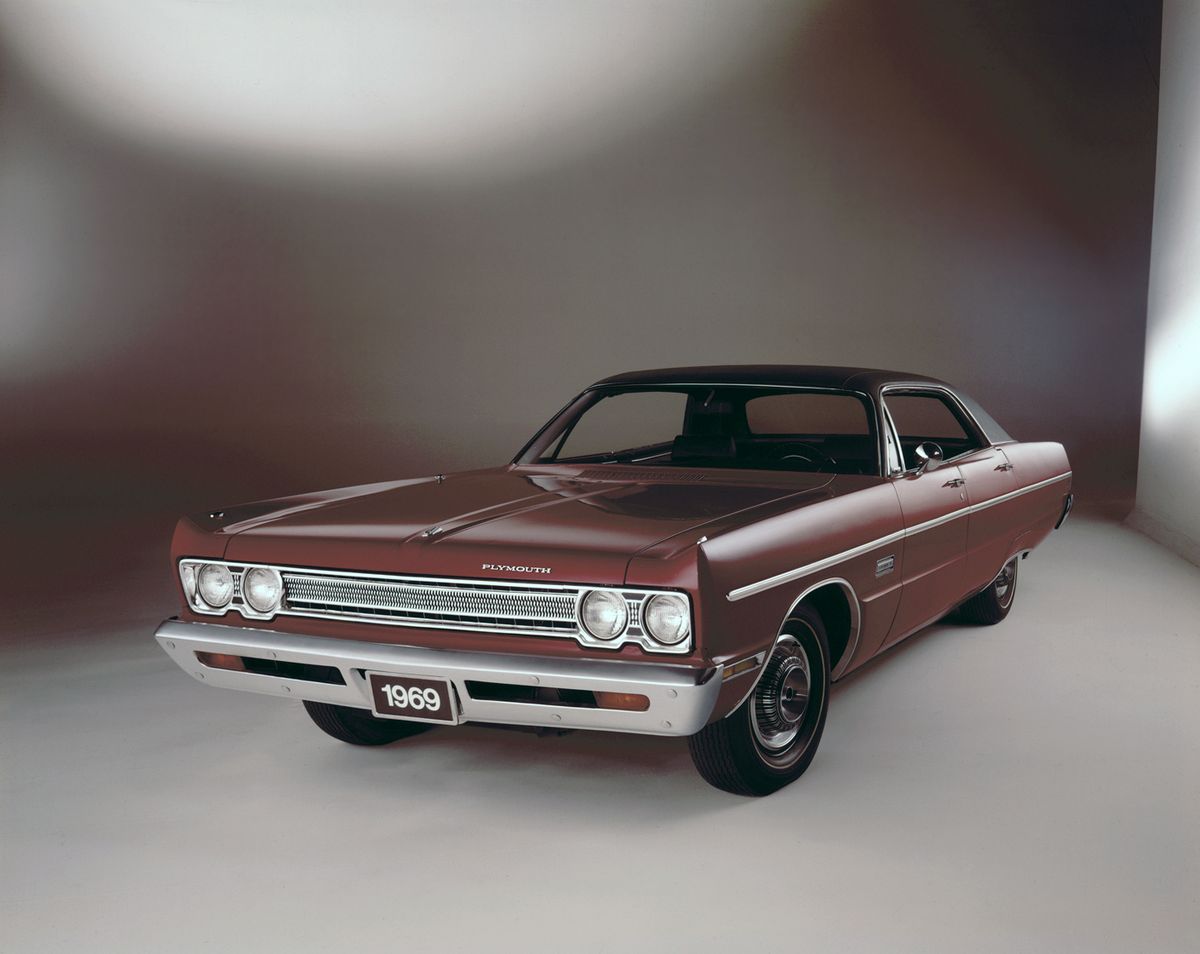
On the sixth generation Plymouth Fury from 1973 to 1974, paint age is a key factor before wrapping. Many panels on these cars may still have original paint, while others could have been repainted at some point. A test spot of the vinyl on each panel shows whether the film will stick well and peel off cleanly later. The wagon's tailgate with the rear glass in it also needs careful trimming around the window.

A tailgate with the rear glass in it: the film ends at the edge of the glass.

Plymouth Fury, fifth generation, factory photo
Factory color shown

1969–1973 Fury convertible, coupe, sedan, wagon (fifth generation)

1969–1973convertible, coupe, sedan, wagon (2 or 4 or 5 doors)214.9 in (5,458 mm)

The fifth generation Plymouth Fury from 1969 to 1973 offered a convertible along with coupe, sedan, and wagon bodies. An open top is not wrapped with vinyl: on a fabric convertible, the film ends where the fabric begins, and on a folding hard top, each panel is wrapped separately. The convertible body uses about 57 ft (17.5 m) of 60-inch (1.52 m) film, which is the least of the styles in this generation. Wagons from these years still have the tailgate glass that the film must stop at.

Convertible body: a fabric top is not wrapped and the film ends where it begins; a folding hard top is wrapped as panels of its own.

A tailgate with the rear glass in it: the film ends at the edge of the glass.

Film: about 57 ft (17.5 m) for the convertible to 67 ft (20.5 m) for the wagon, 60-inch (1.52 m) cast film; chrome or patterned film: up to about 85 ft (26 m).
Plymouth Fury, fourth generation, factory photo
Factory color shown

1965–1968 Fury convertible, coupe, sedan, wagon (fourth generation)

1965–1968convertible, coupe, sedan, wagon (2 or 4 doors)

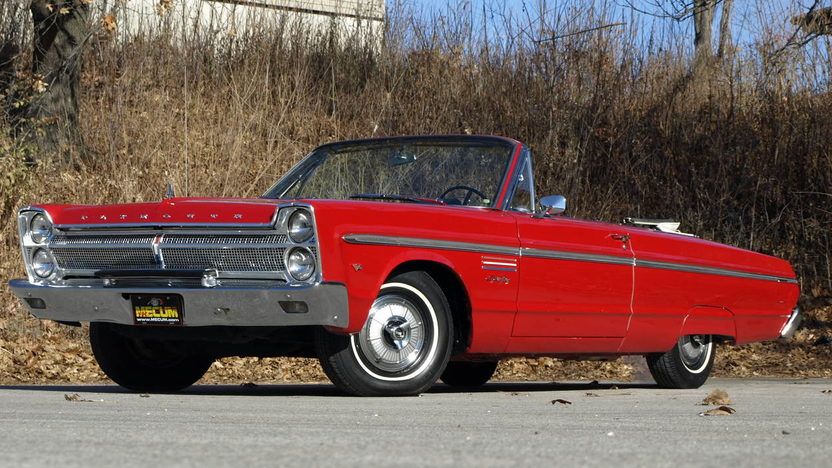
The fourth generation Plymouth Fury from 1965 to 1968 came as a convertible, coupe, sedan, and wagon. The size and body style set the amount of film and the number of panels for a full wrap. A wagon has more panels because of the long roof and tall rear sides, and its tailgate glass means the installer cuts around the window. The convertible's open top is left unwrapped, and the film ends where the fabric or hard top starts.

Convertible body: a fabric top is not wrapped and the film ends where it begins; a folding hard top is wrapped as panels of its own.

A tailgate with the rear glass in it: the film ends at the edge of the glass.

Plymouth Fury, third generation, factory photo
Factory color shown

1962–1964 Fury convertible, coupe, sedan, wagon (third generation)

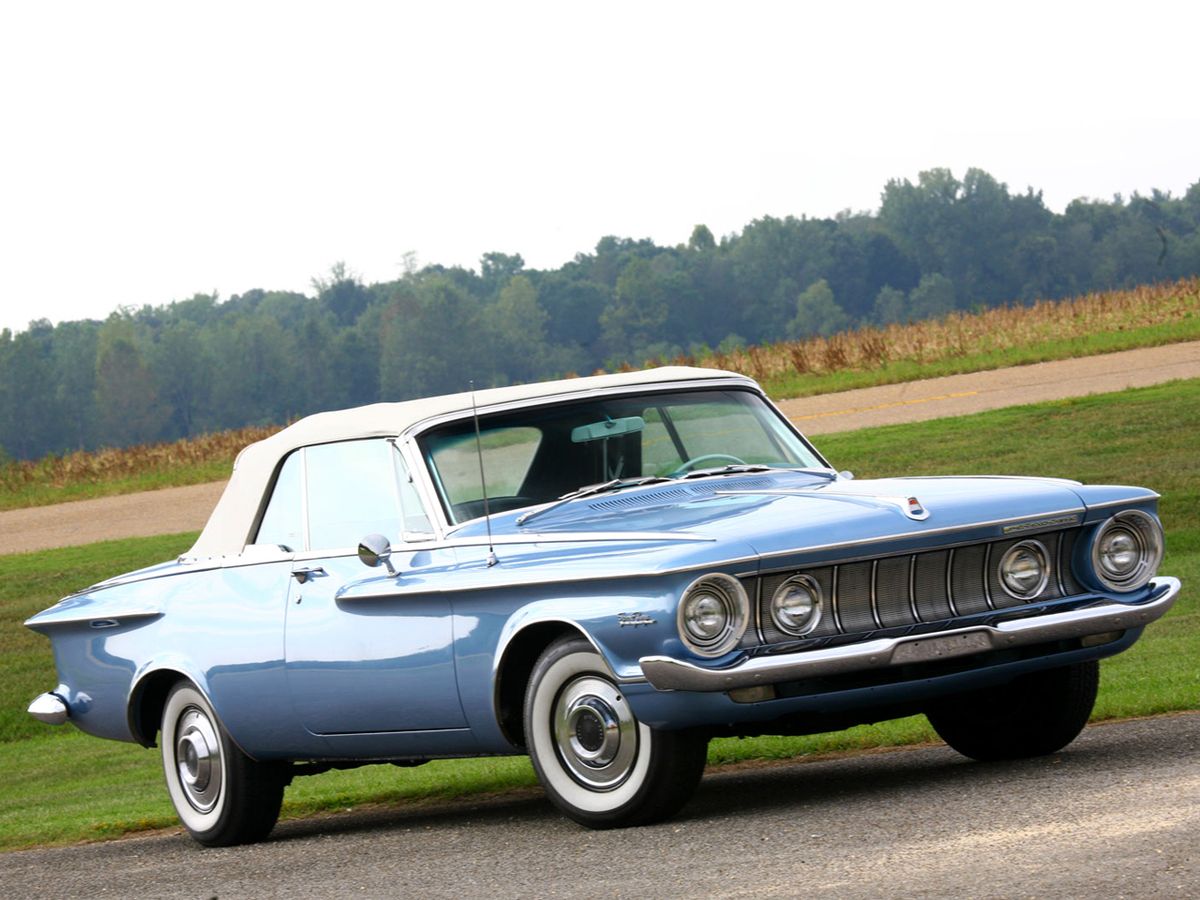
1962–1964convertible, coupe, sedan, wagon (2 or 4 doors)

The third generation Plymouth Fury from 1962 to 1964 was available as a convertible, coupe, sedan, or wagon. The size and body style of each car decide the film amount and how many panels are cut for the wrap. The wagon requires more film than the coupe or sedan, and its tailgate with the rear glass in it adds extra trimming time. Convertibles in this generation have a fabric top that is not wrapped, so the vinyl stops at the edge of that top.

Convertible body: a fabric top is not wrapped and the film ends where it begins; a folding hard top is wrapped as panels of its own.

A tailgate with the rear glass in it: the film ends at the edge of the glass.

Plymouth Fury, second generation, factory photo
Factory color shown

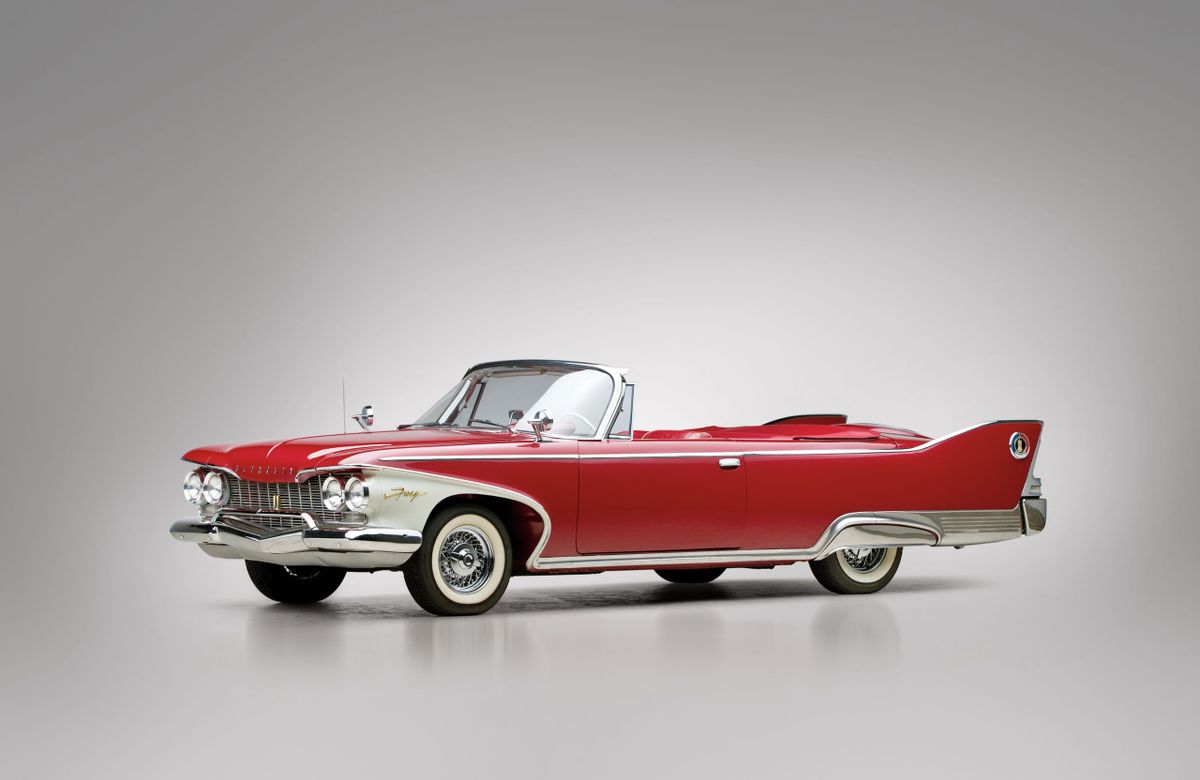
1960–1961 Fury convertible, coupe, sedan (second generation)

1960–1961convertible, coupe, sedan (2 or 4 doors)209.5 in (5,321 mm)

Convertible body: a fabric top is not wrapped and the film ends where it begins; a folding hard top is wrapped as panels of its own.

Film: about 57 ft (17.5 m) for the convertible to 59 ft (18 m) for the coupe, 60-inch (1.52 m) cast film; chrome or patterned film: up to about 74 ft (22.5 m).

Plymouth Fury, first generation, factory photo
Factory color shown

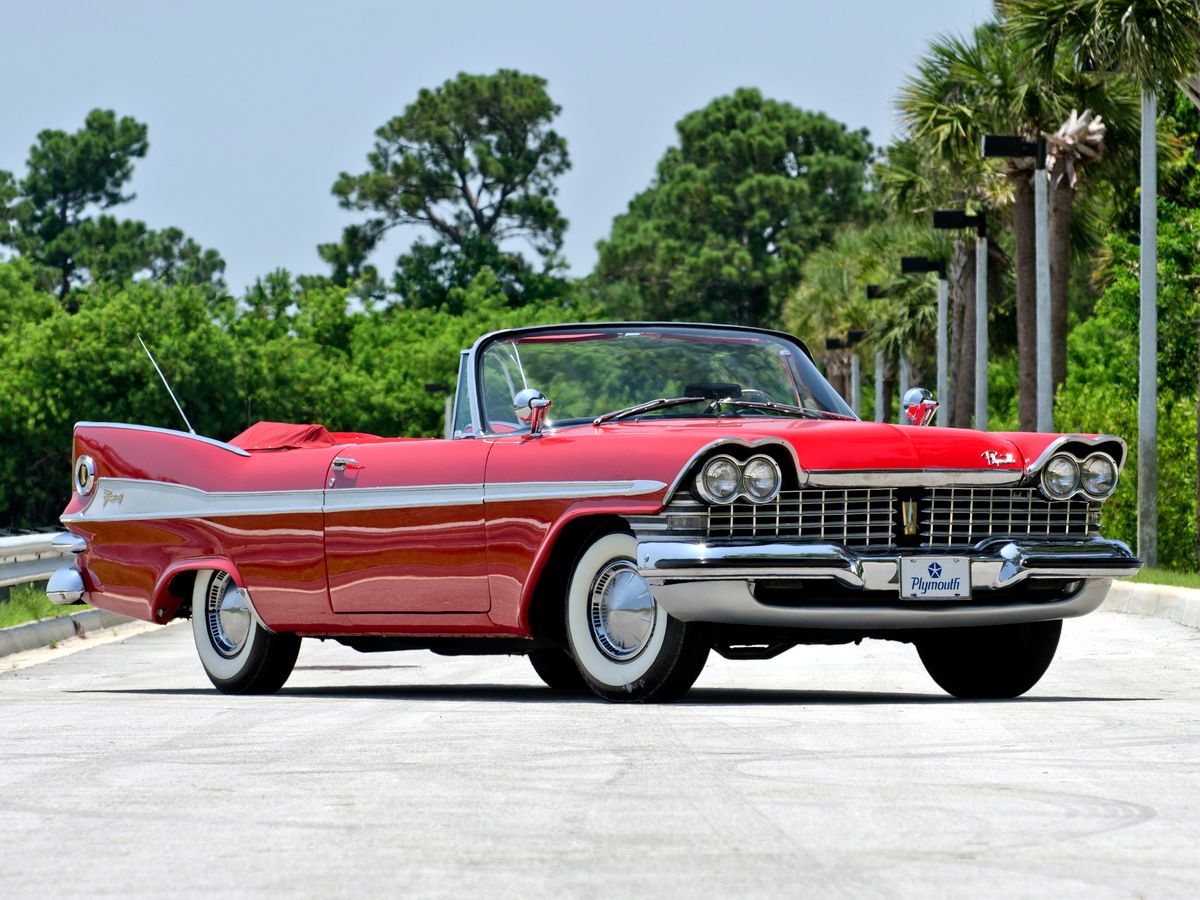
1959–1959 Fury convertible, coupe, sedan (first generation)

1959–1959convertible, coupe, sedan (2 or 4 doors)

Convertible body: a fabric top is not wrapped and the film ends where it begins; a folding hard top is wrapped as panels of its own.

Roof, hood, chrome delete and PPF on a Fury

For a Plymouth Fury, a partial wrap can cover the roof, hood, and mirror caps only instead of the whole car. Chrome delete on a Fury means covering the window trim and badges with black film, which changes the look without wrapping the painted panels. Paint protection film (PPF) is clear film applied to the front end to guard the leading edges from stone chips. These smaller jobs suit owners who want a specific area wrapped or protected.

  • Partial wrap: roof, hood, mirror caps.
  • Chrome delete: window trim and badges.
  • Paint protection film: clear film for the front end, which can also go over a wrap.

Wrapping a Plymouth Fury: body, cut-outs and film

A Plymouth Fury vinyl wrap is planned around the three body styles offered in most generations. The coupe, sedan, and wagon differ in roof height, rear body shape, and the number of doors, which changes how many panels the installer cuts. The wagon is the longest body and needs the most film, while the coupe has a shorter roof and fewer rear glass edges.

Fury wrap ideas include working around the tailgate on wagons, where the rear glass is set into the tailgate itself. The film ends at the edge of that glass, so the installer trims carefully and does not wrap over the window. On convertible bodies from the third, fourth, and fifth generations, the fabric top is not wrapped and the film stops where the top begins.

When you count how much vinyl to wrap a Fury, the differences between generations change the total. The seventh generation body is 217.9 in (5,535 mm) long with three styles, while the fifth generation is 214.9 in (5,458 mm) long and adds a convertible option. Wagons in every generation use more film than coupes or sedans because of their longer roof and tall rear sides.

Questions about wrapping a Plymouth Fury

How much vinyl does it take to wrap a Plymouth Fury?

It takes about 59 ft (18 m) for the coupe and up to 67 ft (20.5 m) for the wagon to wrap a Plymouth Fury, using 60-inch (1.52 m) cast film. If you choose chrome or patterned film, the amount can go up to about 85 ft (26 m). These numbers come from the newest Fury body, which is the seventh generation from 1975 to 1978.

Which Fury body takes more film?

Among the Fury body styles, the wagon takes the most film. The wagon needs about 67 ft (20.5 m) of 60-inch (1.52 m) film, while the coupe uses about 59 ft (18 m) and the convertible about 57 ft (17.5 m). The wagon's longer roof, tall rear sides, and extra rear glass area all add to the film needed.

Can I wrap only the hood or the roof of a Fury?

Yes, you can wrap only the hood or the roof of a Fury. A partial wrap can cover just the roof, hood, and mirror caps, or any one of those parts. This is a smaller job than a full wrap and uses less film.

Is a Fury hard to wrap?

A Plymouth Fury is not especially hard to wrap, but it has some details that add work. The wagon body has a tailgate with the rear glass set into it, so the film must be trimmed exactly at the edge of the glass. On convertibles, the fabric top is not wrapped and the installer has to finish the vinyl where the top begins. The car is also large, so a full wrap takes more time and film than a smaller vehicle.