Wraps by car

Mitsubishi Eclipse Cross wrap

The Mitsubishi Eclipse Cross wrap page covers two generations of this SUV. The newest body entered production in 2025 and replaced an earlier shape that was restyled once. A full wrap of the current Eclipse Cross takes about 61 ft (18.5 m) of 60-inch (1.52 m) cast film.

2generations18.5 mof film for a full wrap

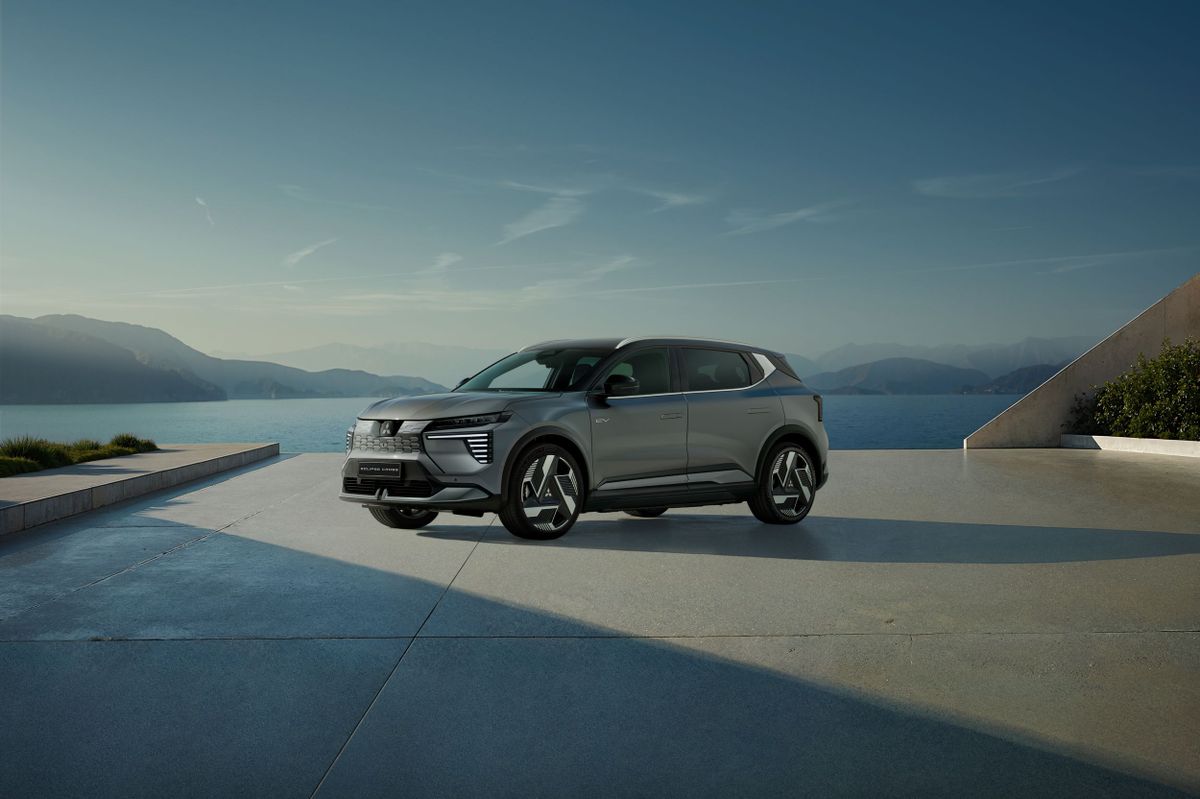
Mitsubishi Eclipse Cross, second generation, factory photo
Mitsubishi Eclipse Cross, second generation. Factory color shown.

Mitsubishi Eclipse Cross wrap colors and ideas

  • Eclipse Cross black wrap
  • Eclipse Cross white wrap
  • Eclipse Cross gray wrap
  • Eclipse Cross silver wrap
  • Eclipse Cross red wrap
  • Eclipse Cross blue wrap
  • Eclipse Cross green wrap
  • Eclipse Cross yellow wrap
  • Eclipse Cross orange wrap
  • Eclipse Cross purple wrap
  • Eclipse Cross pink wrap
  • Eclipse Cross teal wrap
  • Eclipse Cross brown wrap
  • Eclipse Cross gold wrap
  • Eclipse Cross chrome wrap
  • Eclipse Cross color shift wrap
  • Eclipse Cross carbon fiber wrap
  • Eclipse Cross camo and patterned wrap

How much vinyl to wrap a Mitsubishi Eclipse Cross

Estimates from the body dimensions in the catalog, for a 1.52 m (60 in) roll.

YearsBodyLengthFilm to order
2025–nowSUV (5 doors)176.0 in (4,470 mm)about 61 ft (18.5 m) of 60-inch (1.52 m) cast film; chrome or patterned film: about 69 ft (21 m)
2017–nowSUV (5 doors)173.4 in (4,405 mm) to 178.9 in (4,545 mm)about 61 ft (18.5 m) of 60-inch (1.52 m) cast film; chrome or patterned film: about 69 ft (21 m)

Eclipse Cross wrap cost factors

Eclipse Cross wrap cost depends on the body generation, the film, and the labor for tricky parts. The newest body is one shape, while the first generation was restyled once and its length varies from 173.4 in (4,405 mm) to 178.9 in (4,545 mm). A standard color change needs about 61 ft (18.5 m) of 60-inch (1.52 m) cast film, and a chrome or patterned finish needs roughly 69 ft (21 m). More film means more material cost, and extra cut-outs for sensors or cameras add labor.
  • Film for a full wrap: about 61 ft (18.5 m) of 60-inch (1.52 m) cast film; chrome or patterned film: about 69 ft (21 m).
  • Body: SUV (5 doors).
  • A tailgate with the rear glass in it: the film ends at the edge of the glass.
  • Electric car: the charge port door is wrapped as a small piece of its own.

Eclipse Cross wraps by generation

Swipe sideways. Tap a card for the full description.

Mitsubishi Eclipse Cross, second generation, factory photo
Factory color shown

2025–now Eclipse Cross SUV (second generation)

2025–nowSUV (5 doors)176.0 in (4,470 mm)

The current Eclipse Cross generation is a five-door SUV with a length of 176.0 in (4,470 mm). A full wrap takes about 61 ft (18.5 m) of 60-inch (1.52 m) cast film or about 69 ft (21 m) of chrome or patterned film. That length breaks into standard panels: hood, fenders, doors, quarter panels, bumpers, and tailgate. The film on the tailgate ends at the edge of the rear glass, so the window area is not wrapped.

A tailgate with the rear glass in it: the film ends at the edge of the glass.

Electric car: the charge port door is wrapped as a small piece of its own.

Film: about 61 ft (18.5 m) of 60-inch (1.52 m) cast film; chrome or patterned film: about 69 ft (21 m).

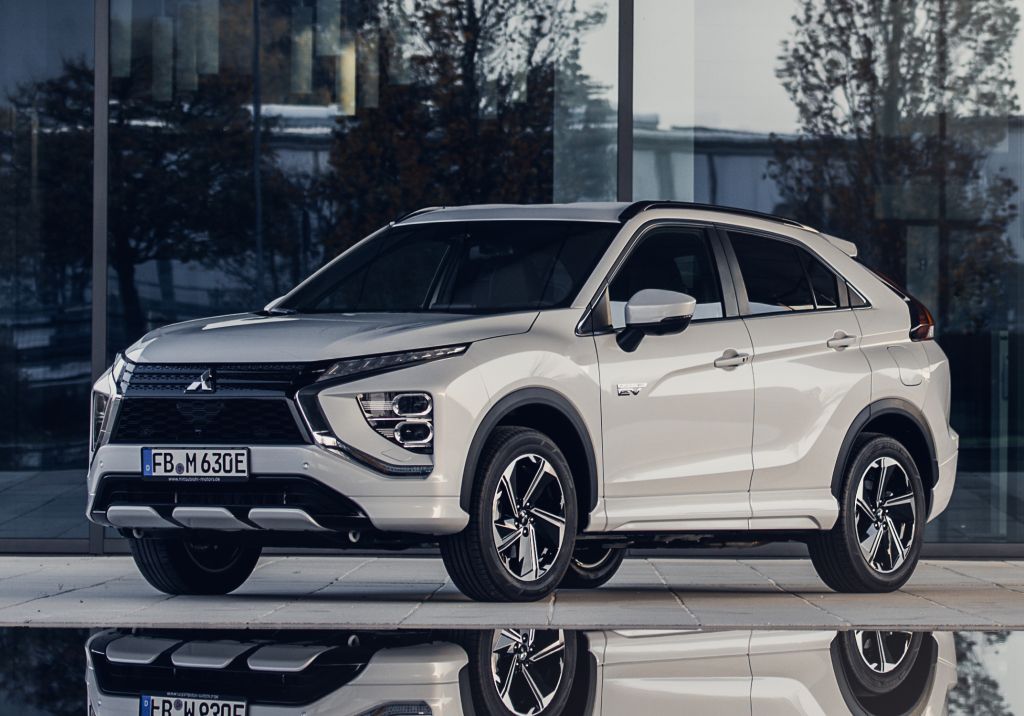
Mitsubishi Eclipse Cross, first generation, factory photo
Factory color shown

2017–now Eclipse Cross SUV (first generation)

2017–nowSUV (5 doors)173.4 in (4,405 mm) to 178.9 in (4,545 mm)

The first Eclipse Cross generation has a glass roof on some trims, and that glass is not wrapped. The film stops at the edge of the glass, so the roof stays dark whatever color the wrap is. On cars with a sunroof, the roof film is cut around the opening. Roof rails, when fitted, come off before the roof is wrapped or the film is cut along them.

A tailgate with the rear glass in it: the film ends at the edge of the glass.

Some trims have a panoramic glass roof: glass is not wrapped, and the film ends at the roof rails.

Some trims have a sunroof: the roof film is cut around its opening.

Some trims have roof rails: they come off before the roof is wrapped, or the film is cut along them.

Some trims have a styling kit on the bumpers and sills: more separate pieces to wrap.

Some trims have bright decorative moldings: they stay bright next to the film unless a chrome delete covers them.

Some trims have parking sensors in the bumpers: the film is cut around each sensor.

Some trims have cameras in the body: the film is cut around each lens.

Every trim has fog lamps in the front bumper: cut-outs in the bumper film.

Plug-in and electric versions: the charge port door is wrapped as a small piece of its own.

Film: about 61 ft (18.5 m) of 60-inch (1.52 m) cast film; chrome or patterned film: about 69 ft (21 m).

Roof, hood, chrome delete and PPF on an Eclipse Cross

For smaller jobs, an Eclipse Cross chrome delete covers bright trim and badges with black film. A partial wrap on this SUV is often the roof, hood, and mirror caps. Paint protection film (PPF) is a clear film applied to the front end to guard against stone chips. These jobs use less film than a full color change and can be done without wrapping the doors or tailgate.

  • Partial wrap: roof, hood, mirror caps.
  • Chrome delete: window trim and badges.
  • Paint protection film: clear film on the front end, also over a wrap.

Wrapping a Mitsubishi Eclipse Cross: body, cut-outs and film

A Mitsubishi Eclipse Cross vinyl wrap fits a five-door SUV with a one-piece tailgate. The newest body measures 176.0 in (4,470 mm), and the first generation runs from 173.4 in (4,405 mm) to 178.9 in (4,545 mm). That length is manageable for a full wrap because the film is applied in individual panels. The shape has no separate trunk lid, so the rear face is one large surface.

When planning Eclipse Cross wrap ideas, look first at the glass and the roof. The tailgate carries the rear glass, and the film ends at the edge of that window. On some trims of the first generation, a panoramic glass roof means the film does not cover that panel. Cars with a sunroof need the roof film cut around the opening, and roof rails come off or the film is cut along them.

Anyone calculating how much vinyl to wrap an Eclipse Cross sees two different bodies in this page. The newest body is built from 2025 onward and takes about 61 ft (18.5 m) of standard cast film. The first generation began in 2017 and was restyled for 2020, so bumper and lower trim shapes changed. Both generations use the same film estimate for a full color change, with chrome or patterned film running to about 69 ft (21 m).

Questions about wrapping a Mitsubishi Eclipse Cross

How much vinyl does it take to wrap a Mitsubishi Eclipse Cross?

A Mitsubishi Eclipse Cross takes about 61 ft (18.5 m) of 60-inch (1.52 m) cast film for a full wrap. If you choose chrome or patterned film, plan for about 69 ft (21 m). The estimate applies to the newest body, which measures 176.0 in (4,470 mm). The first generation uses the same film estimate, though its shorter and longer versions fall within the same range.

Can I wrap only the hood or the roof of an Eclipse Cross?

Yes, you can wrap only the hood or the roof of an Eclipse Cross. A partial wrap on this SUV is often the roof, hood, and mirror caps. A chrome delete covers window trim and badges, and clear paint protection film (PPF) can be applied to the front end. These smaller jobs use less film than a full color change.

Is an Eclipse Cross hard to wrap?

An Eclipse Cross is not especially hard to wrap, but it has details that add work. The tailgate includes the rear glass, so the film ends at the edge of that window. Some trims have a panoramic glass roof, a sunroof, roof rails, parking sensors, or cameras, each requiring careful cut-outs. The newest body measures 176.0 in (4,470 mm), and the first generation runs from 173.4 in (4,405 mm) to 178.9 in (4,545 mm).

How many generations of the Eclipse Cross does this page cover?

This page covers two generations of the Eclipse Cross. The first generation began in 2017 and was restyled for 2020. The second generation is the newest body, in production from 2025 onward. Both are five-door SUVs, but the newer car is longer at 176.0 in (4,470 mm) compared with the earlier 173.4 in (4,405 mm) to 178.9 in (4,545 mm).