Wraps by car

Chrysler TC by Maserati wrap

The Chrysler TC by Maserati wrap page covers this one-generation sports car convertible produced from 1989 to 1991. A full vinyl wrap of the body takes about 48 ft (14.5 m) of 60-inch (1.52 m) cast film. The TC by Maserati was built in a single body style, a two-door convertible with a fabric top.

1generations14.5 mof film for a full wrap

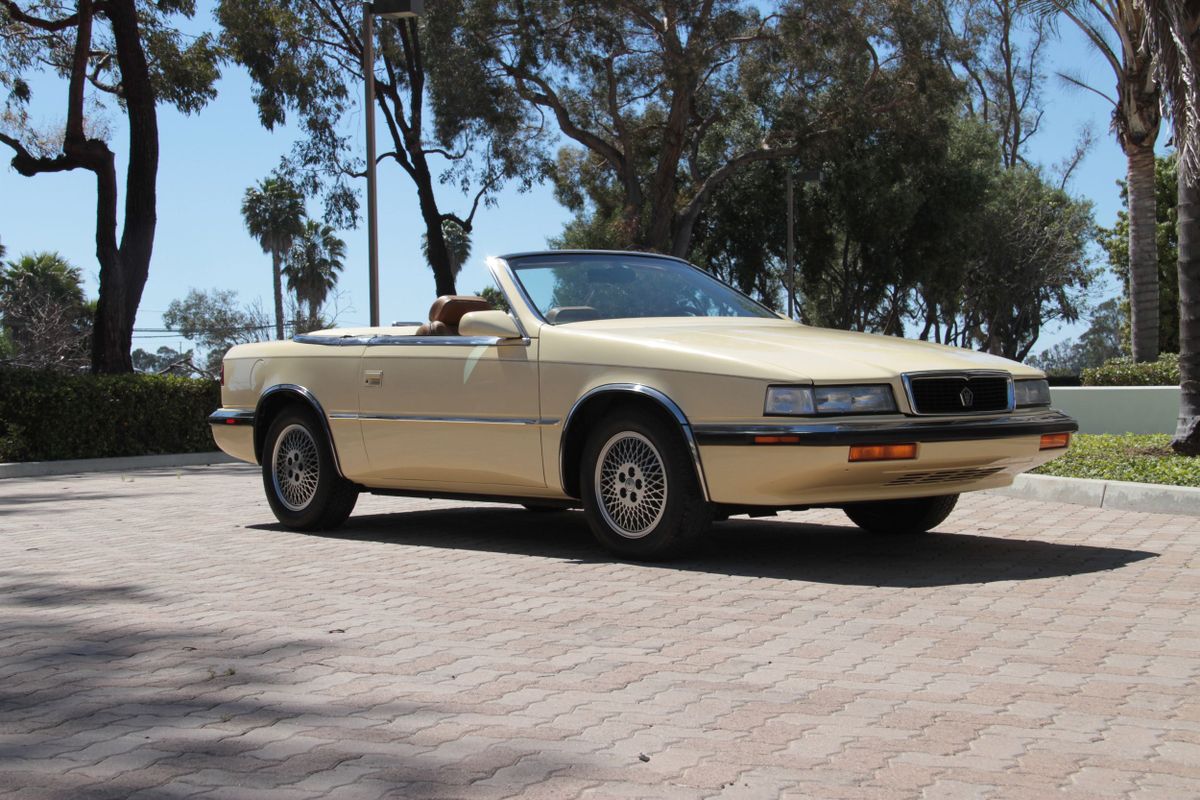
Chrysler TC by Maserati, first generation, factory photo
Chrysler TC by Maserati, first generation. Factory color shown.

Chrysler TC by Maserati wrap colors and ideas

  • TC by Maserati black wrap
  • TC by Maserati white wrap
  • TC by Maserati gray wrap
  • TC by Maserati silver wrap
  • TC by Maserati red wrap
  • TC by Maserati blue wrap
  • TC by Maserati green wrap
  • TC by Maserati yellow wrap
  • TC by Maserati orange wrap
  • TC by Maserati purple wrap
  • TC by Maserati pink wrap
  • TC by Maserati teal wrap
  • TC by Maserati brown wrap
  • TC by Maserati gold wrap
  • TC by Maserati chrome wrap
  • TC by Maserati color shift wrap
  • TC by Maserati carbon fiber wrap
  • TC by Maserati camo and patterned wrap

How much vinyl to wrap a Chrysler TC by Maserati

Estimates from the body dimensions in the catalog, for a 1.52 m (60 in) roll.

YearsBodyLengthFilm to order
1989–1991convertible (2 doors)175.8 in (4,465 mm)about 48 ft (14.5 m) of 60-inch (1.52 m) cast film; chrome or patterned film: about 52 ft (16 m)

TC by Maserati wrap cost factors

The TC by Maserati wrap cost is driven by the convertible body size, film choice, and the labor for trim removal. A full wrap needs about 48 ft (14.5 m) of 60-inch (1.52 m) cast film, and chrome or patterned film raises the amount to about 52 ft (16 m). The fabric top must be protected during installation, which adds preparation time. The number of cut-outs and removable pieces also affects the final labor cost.
  • Film for a full wrap: about 48 ft (14.5 m) of 60-inch (1.52 m) cast film; chrome or patterned film: about 52 ft (16 m).
  • Body: convertible (2 doors).
  • Convertible body: a fabric top is not wrapped and the film ends where it begins; a folding hard top is wrapped as panels of its own.

TC by Maserati wraps by generation

Swipe sideways. Tap a card for the full description.

Chrysler TC by Maserati, first generation, factory photo
Factory color shown

1989–1991 TC by Maserati convertible (first generation)

1989–1991convertible (2 doors)175.8 in (4,465 mm)

The open top of the Chrysler TC by Maserati is not wrapped because it is a fabric convertible top. The vinyl film ends where the painted metal meets the fabric, and the installer masks that edge carefully. A folding hard top would be wrapped as panels of its own, but this car has a cloth top. No film is applied to the fabric itself.

Convertible body: a fabric top is not wrapped and the film ends where it begins; a folding hard top is wrapped as panels of its own.

Film: about 48 ft (14.5 m) of 60-inch (1.52 m) cast film; chrome or patterned film: about 52 ft (16 m).

Roof, hood, chrome delete and PPF on a TC by Maserati

Partial wrap on a TC by Maserati often focuses on the hood, mirror caps, and rear deck. A chrome delete covers the window trim and badges with black film. Paint protection film (PPF) is a clear option for the front end. These smaller jobs let you change the look without a full color change wrap.

  • Partial wrap: hood, mirror caps, rear deck.
  • Chrome delete: window trim and badges.
  • Paint protection film: clear film for the front end, which can also go over a wrap.

Wrapping a Chrysler TC by Maserati: body, cut-outs and film

The Chrysler TC by Maserati vinyl wrap has to account for a convertible body that measures 175.8 in (4,465 mm) in length. The fabric top is not wrapped, so the film is planned only for the painted metal surfaces. With no fixed roof, a full wrap uses less film than a comparable coupe or sedan. The two-door layout keeps the number of panels moderate for a sports car.

TC by Maserati wrap ideas start with the removable parts that are best wrapped off the car. The side mirrors, door handles, and trim pieces come off for clean edges and less risk of lifting. The fabric top must be masked carefully where it meets the body so the film ends cleanly. A chrome delete on the window trim and badges is a common add-on for this car.

How much vinyl to wrap a TC by Maserati depends on the film type and whether you add chrome or patterned areas. The standard estimate is about 48 ft (14.5 m) of 60-inch (1.52 m) cast film for the painted body. If you choose a chrome or patterned film, expect to use about 52 ft (16 m) because of extra material needed for pattern matching. This single generation ran from 1989 to 1991, so there is no variation in body size to consider.

Questions about wrapping a Chrysler TC by Maserati

How much vinyl does it take to wrap a Chrysler TC by Maserati?

Yes, a Chrysler TC by Maserati takes about 48 ft (14.5 m) of 60-inch (1.52 m) cast film for a full wrap. Chrome or patterned film requires about 52 ft (16 m) due to extra material for pattern alignment. The fabric top is not wrapped, which reduces the total film needed compared to a hardtop car.

Is the top of a TC by Maserati wrapped?

No, the top of a TC by Maserati is not wrapped because it is a fabric convertible top. The film ends where the painted metal body meets the fabric edge. Installers mask that boundary to keep the wrap clean and prevent lifting.

Can I wrap only the hood or the roof of a TC by Maserati?

Yes, you can wrap only the hood or the roof of a TC by Maserati. The roof is not a practical surface for vinyl because it is fabric, so the hood, mirror caps, and rear deck are common partial wrap choices. A partial wrap lets you accent the car without covering the entire body.

Is a TC by Maserati hard to wrap?

Yes, a TC by Maserati has some challenges because it is a convertible with a fabric top. The fabric area must be masked carefully so the film does not stick to it, and the edge between paint and cloth needs precise cutting. The body is 175.8 in (4,465 mm) long, which is average for a sports car, but the lack of a fixed roof means fewer flat panels for easy wrapping.