Wraps by car

Mitsubishi Libero wrap

A Mitsubishi Libero wrap covers the compact wagon from its 1992–2002 production run. The first generation is the only generation of this model. A full vinyl wrap of the newest body takes about 52 ft (16 m) of 60-inch (1.52 m) cast film.

1generations16 mof film for a full wrap

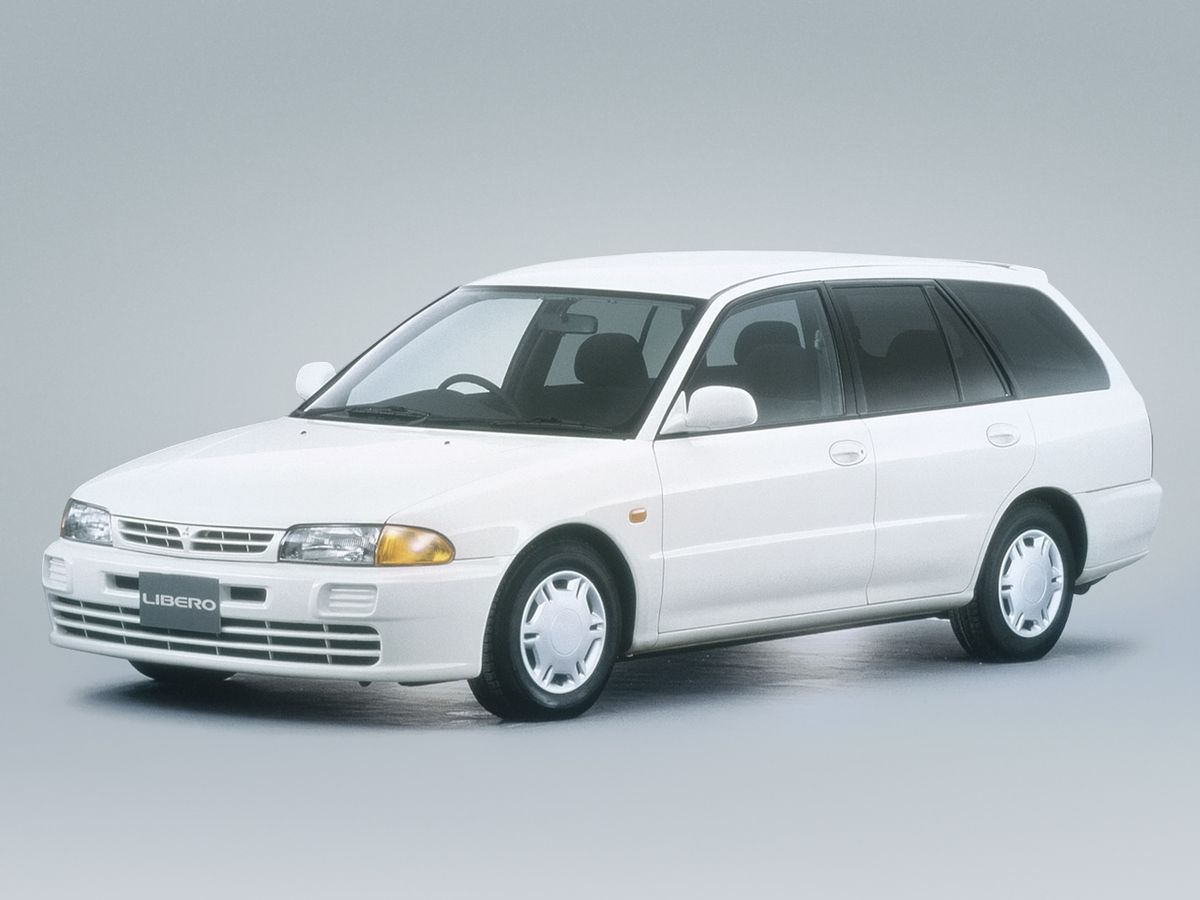
Mitsubishi Libero, first generation, factory photo
Mitsubishi Libero, first generation. Factory color shown.

Mitsubishi Libero wrap colors and ideas

  • Libero black wrap
  • Libero white wrap
  • Libero gray wrap
  • Libero silver wrap
  • Libero red wrap
  • Libero blue wrap
  • Libero green wrap
  • Libero yellow wrap
  • Libero orange wrap
  • Libero purple wrap
  • Libero pink wrap
  • Libero teal wrap
  • Libero brown wrap
  • Libero gold wrap
  • Libero chrome wrap
  • Libero color shift wrap
  • Libero carbon fiber wrap
  • Libero camo and patterned wrap

How much vinyl to wrap a Mitsubishi Libero

Estimates from the body dimensions in the catalog, for a 1.52 m (60 in) roll.

YearsBodyLengthFilm to order
1992–2002wagon (5 doors)174.0 in (4,420 mm)about 52 ft (16 m) of 60-inch (1.52 m) cast film; chrome or patterned film: about 67 ft (20.5 m)

Libero wrap cost factors

Libero wrap cost depends on coverage, film type, and prep work. A full wrap uses about 52 ft (16 m) of film. Chrome or patterned film raises the amount to about 67 ft (20.5 m).
  • Film for a full wrap: about 52 ft (16 m) of 60-inch (1.52 m) cast film; chrome or patterned film: about 67 ft (20.5 m).
  • Body: wagon (5 doors).
  • A tailgate with the rear glass in it: the film ends at the edge of the glass.
  • Restyled in 1995: bumpers and lights differ between the versions, and so do the film cuts.

Libero wraps by generation

Swipe sideways. Tap a card for the full description.

Mitsubishi Libero, first generation, factory photo
Factory color shown

1992–2002 Libero wagon (first generation)

1992–2002wagon (5 doors)174.0 in (4,420 mm)

The first generation Mitsubishi Libero was made from 1992 to 2002. A restyling in 1995 changed the bumpers and lights. Film patterns from before 1995 will not match later cars.

A tailgate with the rear glass in it: the film ends at the edge of the glass.

Film: about 52 ft (16 m) of 60-inch (1.52 m) cast film; chrome or patterned film: about 67 ft (20.5 m).

Roof, hood, chrome delete and PPF on a Libero

A partial wrap on a Libero covers the roof, hood, or mirror caps. Chrome delete replaces the window trim and badges with black film. Paint protection film (PPF) is clear film for the front end.

  • Partial wrap: roof, hood, mirror caps.
  • Chrome delete: window trim and badges.
  • Paint protection film: clear film for the front end, which can also go over a wrap.

Wrapping a Mitsubishi Libero: body, cut-outs and film

The Mitsubishi Libero vinyl wrap is sized for a five-door wagon body. The car is 174.0 in (4,420 mm) long. Its compact class means a single installer can handle most panels.

Libero wrap ideas include working around a tailgate with the rear glass in it. The film ends at the edge of the glass. This leaves a clean border without cutting on the body.

How much vinyl to wrap a Libero depends on the version. The 1995 restyling changed bumpers and lights. Film cut for one version does not fit the other.

Questions about wrapping a Mitsubishi Libero

How much vinyl does it take to wrap a Mitsubishi Libero?

A Mitsubishi Libero needs about 52 ft (16 m) of 60-inch (1.52 m) cast film for a full wrap. Window and body contours add some waste. The estimate is for the newest body style.

Which years of the Libero take the same film cuts?

Cars from 1992 to 1994 share one set of film cuts. The restyling in 1995 changed the bumpers and lights. Cars from 1995 to 2002 share a different set of cuts.

Can I wrap only the hood or the roof of a Libero?

Yes, you can wrap only the hood or the roof of a Libero. The hood is a simple panel with no glass. The roof also has no cut-outs for a film installer.

Is a Libero hard to wrap?

A Libero is moderate to wrap because of the tailgate with rear glass. The film must end at the edge of the glass. The 174.0 in (4,420 mm) length adds some work.